Table of Contents
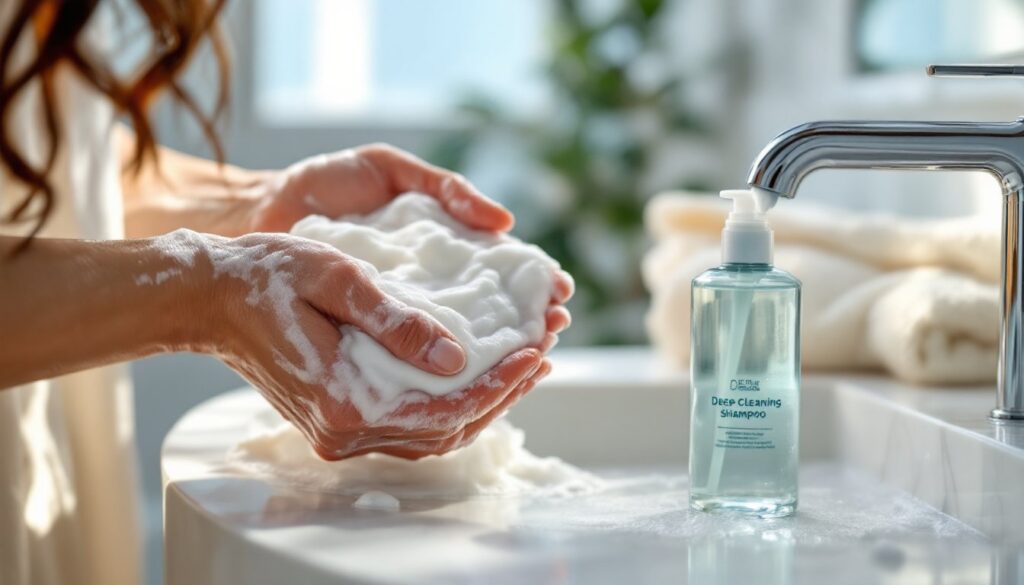
ToggleDeep cleaning shampoo isn’t just for your hair, it’s also the secret weapon for bringing tired upholstery, carpets, and area rugs back to life. Whether dealing with buildup on the scalp or ground-in dirt on living room furniture, the right deep cleaning shampoo cuts through grime that regular products leave behind. But not all formulas work the same way, and using them incorrectly can damage fibers or strip protective oils. This guide breaks down what deep cleaning shampoo actually does, when to use it, how to pick the right formula, and how to apply it without wrecking what you’re trying to clean.
Key Takeaways
- Deep cleaning shampoo removes heavy buildup—silicones, hard water minerals, and styling residue on hair, or dirt and oils on carpets and upholstery—that regular products can’t address because of higher surfactant concentration.
- Use deep cleaning shampoo sparingly: every 4–6 weeks for hair (or 2–3 weeks if you swim regularly) and every 12–18 months for carpets, as overuse can damage fibers, strip natural oils, and accelerate dirt accumulation.
- Match your deep cleaning shampoo formula to the surface—clarifying shampoos with chelating agents for hard water damage, alkaline options (pH 9–11) for synthetic carpets, and neutral formulas (pH 5–7) for wool or delicate fibers.
- Always vacuum thoroughly and test on hidden areas before shampooing, wet with minimal product dilution, and avoid oversaturation to prevent residue buildup, fiber damage, and incomplete drying.
- Patience during the drying phase is critical—allow 12–24 hours dry time for carpets and fabrics, keep foot traffic off treated areas, and use fans or dehumidifiers to prevent mildew and re-soiling.
What Is Deep Cleaning Shampoo and Why You Need It
Deep cleaning shampoo is a high-strength cleaner designed to remove heavy buildup that standard shampoos or surface cleaners can’t touch. For hair, that means stripping away silicones, hard water minerals, styling product residue, and chlorine. For fabrics, upholstery, carpets, car interiors, it targets embedded dirt, oils, pet dander, and stains that vacuuming alone won’t budge.
The key difference is surfactant concentration. Deep cleaning formulas contain higher levels of anionic surfactants like sodium lauryl sulfate (SLS) or sulfosuccinates, which create a stronger detergent action. They’re not meant for daily use, they’re reset buttons. For hair, overuse strips natural sebum and can leave strands dry and brittle. For fabrics, too-frequent shampooing can wear down protective coatings or leave residue that attracts more dirt.
You need it when regular cleaning stops working. On hair, that’s when it feels waxy, flat, or won’t hold a curl. On carpets and furniture, it’s when traffic lanes reappear days after vacuuming, or when upholstery feels greasy to the touch. If you’ve got hard water (above 120 ppm), live near a pool, or use a lot of leave-in conditioners or sprays, buildup accelerates. Same goes for homes with pets, kids, or heavy foot traffic, soil works its way into carpet backing and upholstery foam where surface cleaning can’t reach.
When to Use Deep Cleaning Shampoo for Maximum Results
Timing matters. Use deep cleaning shampoo on hair once every 4–6 weeks for most people, or every 2–3 weeks if you swim regularly, use heavy styling products, or have very hard water. Signs it’s time: hair feels coated even after washing, color looks dull, or your scalp itches without a clear reason (buildup can trap bacteria).
For carpets and upholstery, deep clean every 12–18 months under normal conditions, or every 6–12 months in high-traffic homes. Spring and fall are ideal, lower humidity helps fabrics dry faster, reducing mold risk. Spot-clean spills immediately, but save the full shampoo treatment for seasonal maintenance. If you’re prepping to sell a home or hosting an event, a deep clean two weeks beforehand gives fibers time to fully dry and fluff back up.
Avoid deep cleaning right before important hair events (weddings, photos), hair can feel stripped for 24–48 hours until natural oils rebalance. For fabrics, don’t shampoo during humid summer months unless you have strong airflow or dehumidifiers: wet carpet backing that doesn’t dry within 24 hours invites mildew. Also skip it on vintage or delicate upholstery (silk, rayon, untreated linen) without testing a hidden spot first, some fibers water-spot or shrink.
Best time for carpets: when they’re dry and you can keep foot traffic off them for 12–24 hours. Pull furniture away from walls, vacuum thoroughly to remove loose grit (it turns to mud when wet), and plan the job for a day with low humidity and good ventilation.
How to Choose the Right Deep Cleaning Shampoo for Your Needs
Match the formula to the surface and the soil type. For hair, clarifying shampoos with chelating agents (EDTA, citric acid) handle hard water minerals and chlorine. If buildup is from silicones or heavy oils, look for sulfates (SLS or SLES), they’re aggressive but effective. If hair is color-treated or chemically processed, choose a gentler sulfate-free option with cocamidopropyl betaine: it’ll take longer but won’t fade color as fast.
For carpets, the choice depends on fiber type and the machine you’re using. Synthetic carpets (nylon, polyester, olefin) tolerate stronger alkaline formulas (pH 9–11), which excel at breaking down grease and body oils. Wool or wool-blend rugs need neutral or slightly acidic shampoos (pH 5–7) to avoid fiber damage or dye bleeding. Cleaning experts at Good Housekeeping test formulas specifically for these differences, rating performance on stain removal and residue.
For upholstery, verify the cleaning code on the furniture tag: W means water-safe (shampoo works), S means solvent-only (skip the shampoo, use dry-cleaning spray), SW means either is fine, and X means vacuum only, no liquids. Ignoring these codes voids most warranties and can cause permanent staining or shrinkage.
Key Ingredients to Look For
Surfactants are the workhorses, anionic types (SLS, SLES, alpha-olefin sulfonate) cut grease and oil. For fabrics, look for formulas with enzymes (protease for protein stains like food or blood: amylase for starches). Optical brighteners (stilbene derivatives) reflect UV light and make white carpets look newer, but they can yellow natural fibers over time, avoid them on wool or sisal.
For hair, chelating agents (sodium gluconate, EDTA) bind to metal ions from hard water and prevent them from dulling hair. Some formulas add clay (bentonite, kaolin) for extra absorbency, which works well on oily scalps but can feel heavy on fine hair. Avoid anything with added conditioning agents (dimethicone, quaternium compounds) in a deep cleaner, they defeat the purpose by redepositing what you’re trying to remove.
Skip products that list “fragrance” as a top-three ingredient, it’s usually filler. For effective cleaning techniques, the active cleaning agents should dominate the ingredient list. Check for pH disclosure on carpet shampoos: anything above 10 risks color bleeding on older dyes, and anything below 4 can degrade jute carpet backing.
Step-by-Step Guide to Using Deep Cleaning Shampoo Effectively
For Hair:
- Wet hair thoroughly with warm water for at least 30 seconds, the warmer the water, the better surfactants work (but not so hot it damages your scalp).
- Apply a quarter-sized amount (more for long or thick hair) directly to the scalp, not the ends. The goal is to clean the scalp where oil and buildup concentrate.
- Massage for 2–3 minutes. Don’t scrub hard, use fingertip pads in circular motions. This helps surfactants bind to oils and minerals.
- Rinse completely, this takes longer than you think. Leftover shampoo residue causes the same buildup you’re trying to eliminate. Rinse until water runs clear and hair feels “squeaky.”
- Follow with a moisturizing conditioner or mask on mid-lengths and ends only. Deep cleaning shampoo strips everything, so you need to add hydration back.
For Carpets and Upholstery:
- Vacuum thoroughly, twice in high-traffic areas. Any loose dirt becomes mud when wet and grinds deeper into fibers.
- Pre-treat stains with a spot cleaner or a paste of shampoo and water. Let it sit 5–10 minutes.
- Mix shampoo according to label directions, usually 2–4 oz per gallon of warm water for extraction machines. Using too much creates excess foam that’s hard to rinse and leaves sticky residue.
- Test on a hidden spot (under a couch cushion, closet corner) and let it dry completely. Check for color bleeding, water spots, or texture changes.
- Apply with a carpet shampooer or upholstery attachment using overlapping passes. Work in 3×3-foot sections. Don’t oversaturate, two wet passes and two dry (suction-only) passes per section. The best cleaning strategies emphasize extraction over scrubbing to avoid pushing dirt deeper.
- Let dry completely, 12–24 hours depending on humidity. Run fans, open windows, or use a dehumidifier. Walk on damp carpet in socks only to avoid re-soiling.
Safety: Wear nitrile gloves when handling concentrated shampoo. Use a dust mask if shampooing generates fine spray. Keep pets and kids off treated areas until fully dry, residual surfactants can irritate paws and skin.
DIY Deep Cleaning Shampoo Recipes You Can Make at Home
Homemade formulas work for light to moderate buildup and cost a fraction of commercial products. They won’t match the surfactant strength of store-bought options, but they’re gentler and use ingredients you likely have.
DIY Clarifying Shampoo for Hair:
- 2 tablespoons baking soda (sodium bicarbonate, mild abrasive and pH adjuster)
- 1 cup warm water
- Optional: 5 drops tea tree essential oil (antimicrobial for itchy scalps)
Mix into a paste, apply to wet scalp, massage 2 minutes, rinse thoroughly. Follow with an acidic rinse (1 tablespoon apple cider vinegar in 1 cup water) to close the hair cuticle. Use no more than once a month, baking soda’s high pH (around 9) can weaken hair over time.
DIY Carpet Shampoo:
- 1/4 cup liquid castile soap (plant-based surfactant)
- 1/4 cup white vinegar (cuts soap residue and neutralizes odors)
- 2 tablespoons hydrogen peroxide (3% solution, mild bleaching and disinfecting)
- 2 gallons warm water
Mix in a bucket. Use with a reliable cleaning guide and a carpet brush or scrub brush. Work in small sections, scrub gently, then blot with clean towels. This formula works best on synthetic carpets: skip the peroxide on wool.
DIY Upholstery Shampoo:
- 1 tablespoon clear dish soap (Dawn or similar, designed to cut grease)
- 1 tablespoon white vinegar
- 1 cup warm water
Mix and transfer to a spray bottle. Spray lightly, scrub with a soft brush, and blot with a microfiber cloth. Don’t oversaturate foam cushions, they take days to dry and can grow mold.
Limitations: DIY formulas lack enzymes and chelators, so they won’t handle heavy mineral buildup or set-in protein stains. If results are weak, switch to a commercial product with targeted active ingredients.
Common Mistakes to Avoid When Deep Cleaning
Using too much product. More shampoo doesn’t mean more cleaning power, it means more residue. Excess soap attracts dirt faster and can leave carpets feeling crunchy or hair looking dull. Stick to label dilution rates.
Skipping the rinse step. On hair, leftover surfactants cause buildup you just tried to remove. On carpets, unrinsed shampoo acts like a dirt magnet. Always do at least two suction-only passes with an extractor, or rinse hair until it squeaks.
Over-wetting carpets or upholstery. Carpet backing is usually jute or synthetic mesh bonded with latex adhesive, it can delaminate if soaked. Upholstery foam takes forever to dry and can mildew. Wet surfaces should feel damp, not dripping. For home organization and minimizing mess, tools like practical home solutions recommend working methodically to avoid re-soiling cleaned areas.
Not vacuuming first. Skipping this turns loose dirt into muddy slurry that gets worked deeper into fibers. Vacuum twice in traffic lanes before shampooing.
Using the wrong pH. Alkaline shampoos (pH above 10) can strip dye from wool or fade certain carpet colors. Acidic formulas (pH below 5) can corrode metal furniture legs or weaken jute backing. Match pH to fiber type.
Deep cleaning too often. Hair stripped of all natural oils becomes dry and prone to breakage. Carpets shampooed monthly wear out faster because surfactants degrade fiber coatings. Stick to the 4–6 week cycle for hair, 12–18 months for carpets unless there’s a specific need.
Ignoring manufacturer guidelines. Upholstery and carpet warranties often require professional cleaning or specific products. Using the wrong method, or any liquid on an “X”-coded fabric, voids coverage. When in doubt, test first or call a pro.
Not allowing enough dry time. Walking on damp carpet compresses wet fibers and re-deposits dirt from shoes. Wet hair styled with heat tools fries more easily. For comprehensive cleaning practices, patience during the drying phase prevents undoing all your work. Run fans, crack windows, and stay off treated areas until bone-dry.