Table of Contents
ToggleCleaning a home doesn’t have to feel like a never-ending chore. With the right tools, strategies, and a solid plan, anyone can keep their living space fresh and organized. This guide covers everything from essential cleaning supplies to room-by-room strategies and time-saving hacks. Whether someone cleans daily or prefers a weekly deep clean, these practical tips will help create a spotless home without the stress.
Key Takeaways
- Stock up on essential cleaning supplies like microfiber cloths, all-purpose cleaner, and a quality vacuum to make every cleaning session more effective.
- Break down cleaning tasks by room—kitchens need daily wipe-downs, bathrooms require frequent disinfecting, and bedrooms benefit from weekly dusting.
- Create a realistic cleaning schedule with daily, weekly, and monthly tasks to maintain a consistently tidy home without overwhelming weekend marathons.
- Always clean from top to bottom so dust and debris fall onto surfaces you haven’t cleaned yet, saving time and effort.
- Use the two-minute rule: if a cleaning task takes less than two minutes, do it immediately to prevent bigger messes later.
- Declutter regularly—fewer items in your home means faster and easier cleaning sessions.
Essential Cleaning Supplies You Need
Before starting any cleaning task, gathering the right supplies makes a huge difference. The best cleaning routines start with a well-stocked arsenal of products and tools.
Basic Cleaning Products:
- All-purpose cleaner for surfaces like counters, tables, and appliances
- Glass cleaner for windows and mirrors
- Disinfectant spray or wipes for high-touch areas
- Dish soap (works great for more than just dishes)
- Baking soda and white vinegar for natural cleaning solutions
Must-Have Cleaning Tools:
- Microfiber cloths (they trap dust better than paper towels)
- A good vacuum cleaner with attachments
- Mop and bucket or a spray mop for hard floors
- Scrub brushes in various sizes
- A squeegee for streak-free windows
- Rubber gloves to protect hands
Investing in quality cleaning supplies pays off over time. Cheap sponges fall apart quickly, and weak cleaners require more scrubbing. Microfiber cloths, for example, can be washed and reused hundreds of times. They pick up dirt and bacteria more effectively than traditional rags.
One often-overlooked item? A good caddy or bucket to carry supplies from room to room. This simple addition cuts down on trips back and forth to the supply closet.
Room-by-Room Cleaning Strategies
Different rooms require different approaches. A bathroom needs different cleaning attention than a bedroom, and the kitchen has its own set of challenges. Breaking down cleaning tasks by room makes the process more manageable.
Kitchen Cleaning Basics
The kitchen tends to accumulate grease, food particles, and bacteria faster than other rooms. Regular cleaning here keeps both the space and the family healthy.
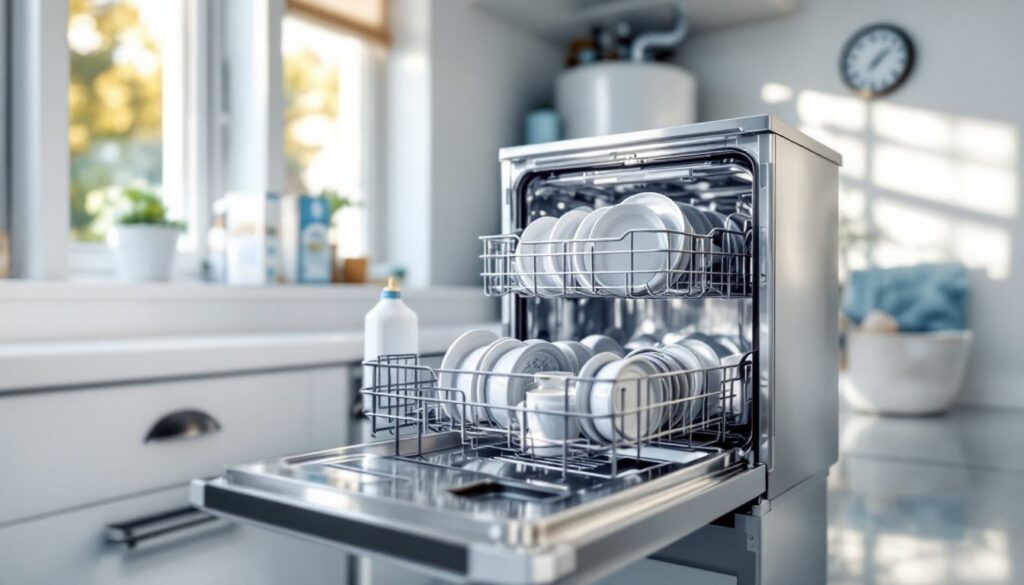
Start with the dishes. A sink full of dirty dishes makes the whole kitchen feel messy. Load the dishwasher or hand wash items daily.
Wipe down counters and stovetops after cooking. Food residue hardens quickly, making it tougher to remove later. An all-purpose cleaner handles most messes, but grease may need a degreasing product.
Clean the microwave weekly. A simple trick: heat a bowl of water with lemon slices for two minutes, then wipe down the interior. The steam loosens stuck-on food.
Don’t forget the refrigerator. Toss expired items weekly and do a thorough cleaning of shelves monthly. This prevents odors and keeps food fresh longer.
Bathroom Deep Cleaning Tips
Bathrooms need frequent cleaning due to moisture and bacteria buildup. A quick daily wipe-down prevents grime from taking hold.
Toilets should be cleaned at least twice a week. Apply bowl cleaner, let it sit for a few minutes, then scrub with a toilet brush. Wipe down the exterior, including the handle, with disinfectant.
Shower and tub cleaning becomes easier when done regularly. Spray surfaces with a bathroom cleaner after each use or at least weekly. For soap scum buildup, a paste of baking soda and dish soap works wonders.
Sinks and faucets collect toothpaste, soap residue, and water spots. A quick wipe with glass cleaner keeps them shining.
Ventilation matters too. Run the exhaust fan during and after showers to reduce moisture. This prevents mold growth and keeps the bathroom smelling fresh.
How to Create an Effective Cleaning Schedule
Consistency beats intensity when it comes to cleaning. A realistic schedule prevents overwhelming weekend cleaning marathons and keeps the home consistently tidy.
Daily Tasks (5-10 minutes):
- Make beds
- Wash dishes or load dishwasher
- Wipe kitchen counters
- Quick bathroom surface wipe
- Pick up clutter
Weekly Tasks:
- Vacuum all floors
- Mop hard surfaces
- Clean bathrooms thoroughly
- Dust furniture and surfaces
- Change bed linens
- Take out trash and recycling
Monthly Tasks:
- Clean inside appliances (microwave, oven, refrigerator)
- Wash windows
- Dust blinds and ceiling fans
- Clean under furniture
- Organize closets and drawers
The key to sticking with a cleaning schedule? Keep it realistic. A family with young children and two working parents can’t clean like someone who works from home alone. Adjust expectations accordingly.
Writing the schedule down helps too. Whether it’s a printed checklist on the fridge or a reminder app on a phone, having a visual guide keeps everyone accountable.
Time-Saving Cleaning Hacks
Smart cleaning isn’t about working harder, it’s about working smarter. These hacks cut cleaning time without sacrificing results.
Clean from top to bottom. Dust falls downward. Starting with ceiling fans and high shelves means debris lands on surfaces that haven’t been cleaned yet. Floors should always be last.
Use the two-minute rule. If a cleaning task takes less than two minutes, do it immediately. Wiping a spill, putting away shoes, or rinsing a dish takes seconds but prevents bigger messes later.
Let products do the work. Spray cleaner on tough stains and walk away for a few minutes. The chemicals break down grime while attention goes elsewhere. Come back and wipe with minimal effort.
Keep supplies in each bathroom. Storing a small set of cleaning products under each bathroom sink eliminates excuses. A quick wipe becomes easy when supplies are within arm’s reach.
Embrace the power of multitasking. While waiting for laundry to finish, wipe down a few surfaces. During commercial breaks, pick up clutter in the living room. Small bursts of cleaning add up.
Declutter regularly. Less stuff means less to clean. Donate items that no longer serve a purpose. Fewer decorations and knickknacks mean faster dusting sessions.
One final hack: put on upbeat music or a podcast while cleaning. Time flies when there’s entertainment, and the task feels less like a chore.