Table of Contents
ToggleA reliable cleaning guide transforms household chores from overwhelming tasks into manageable routines. Whether someone tackles a weekly deep clean or maintains daily tidiness, the right approach makes all the difference. This guide covers essential supplies, room-specific strategies, scheduling tips, and time-saving tricks. By the end, readers will have a clear plan for keeping their homes spotless without burning out. Let’s get started.
Key Takeaways
- A reliable cleaning guide starts with quality supplies like microfiber cloths, all-purpose cleaners, and a good vacuum with HEPA filtration.
- Kitchens and bathrooms require the most attention—disinfect sinks regularly since they often harbor more germs than toilets.
- Create a cleaning schedule that matches your lifestyle: daily tasks (10-15 minutes), weekly deep cleans (1-2 hours), and monthly maintenance.
- Work top to bottom when cleaning any room to prevent dust from falling onto already-cleaned surfaces.
- Apply the two-minute rule—if a task takes less than two minutes, do it immediately to prevent buildup.
- Consistency beats perfection: quick daily pickups are more effective than exhausting monthly cleaning marathons.
Essential Cleaning Supplies You Need
Every effective cleaning guide starts with the right tools. Stocking up on quality supplies saves time and delivers better results.
Basic Cleaning Agents:
- All-purpose cleaner (works on most surfaces)
- Glass cleaner for mirrors and windows
- Disinfectant for bathrooms and kitchens
- White vinegar and baking soda (natural alternatives)
- Dish soap (surprisingly versatile)
Must-Have Tools:
- Microfiber cloths (they trap dust better than paper towels)
- A sturdy mop and bucket
- Vacuum cleaner with attachments
- Scrub brushes in various sizes
- Rubber gloves to protect hands
- Spray bottles for DIY solutions
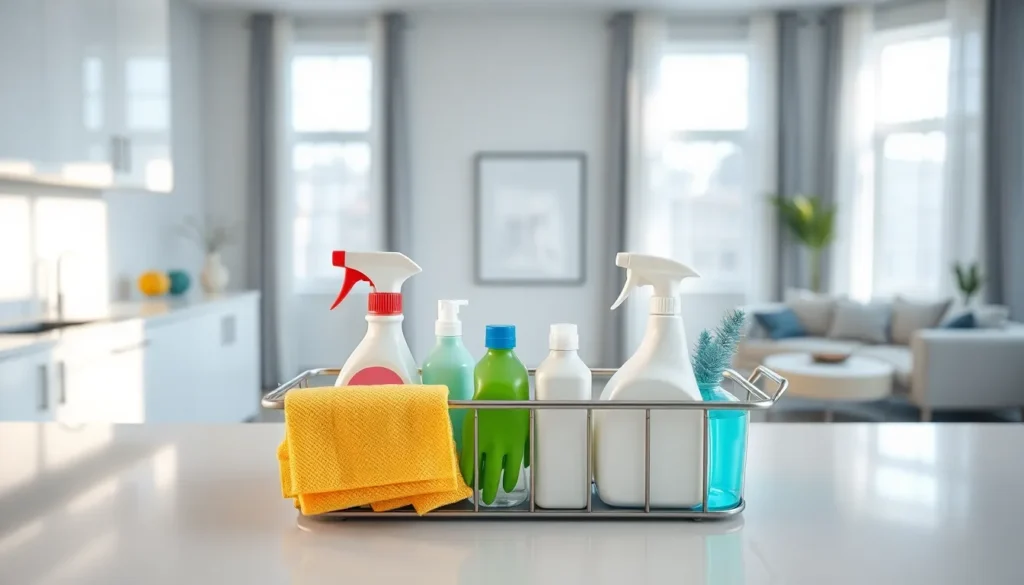
Storage Tip: Keep a cleaning caddy stocked with essentials. Carrying supplies from room to room cuts down on wasted trips.
Quality matters here. Cheap microfiber cloths fall apart quickly, while good ones last years. A solid vacuum with a HEPA filter removes more allergens than budget models. Think of these purchases as investments in a cleaner home.
For those who prefer eco-friendly options, a simple mix of vinegar and water handles most jobs. Add a few drops of essential oil for a fresh scent. This cleaning guide approach costs less and reduces chemical exposure.
Room-by-Room Cleaning Strategies
Different spaces require different approaches. This section of the cleaning guide breaks down the best methods for each area of the home.
Kitchen and Bathroom Deep Cleaning
Kitchens and bathrooms need the most attention because they harbor the most bacteria.
Kitchen Priorities:
- Wipe down countertops and stovetops daily
- Clean the sink with disinfectant, it often holds more germs than a toilet
- Degrease range hoods and backsplashes weekly
- Empty and wipe refrigerator shelves monthly
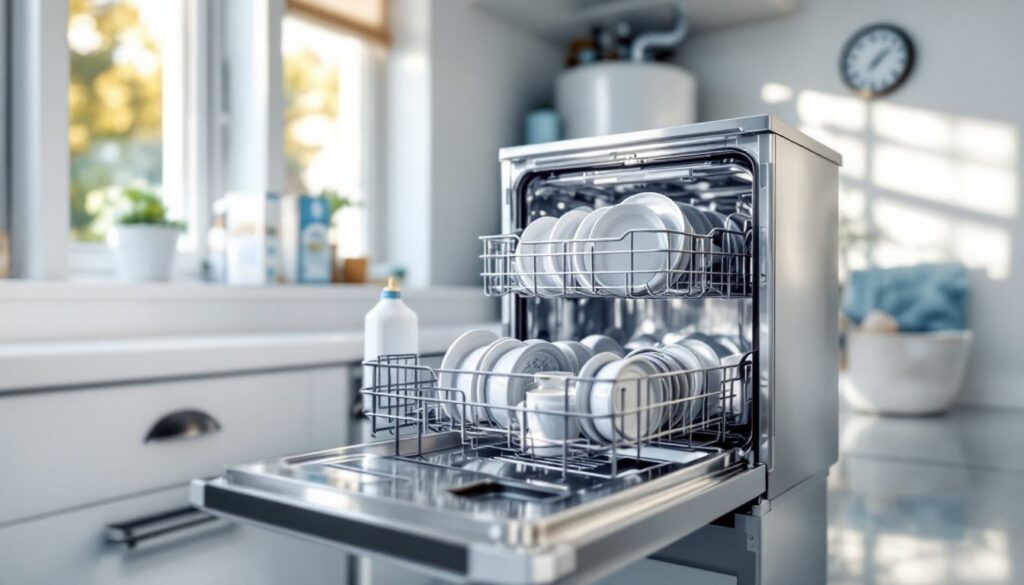
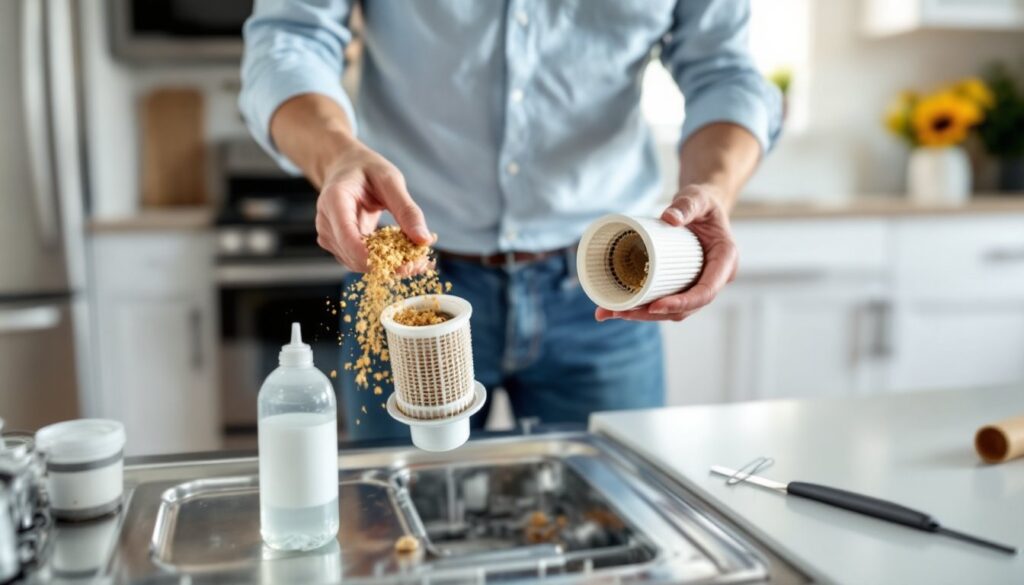
- Run an empty dishwasher cycle with vinegar to remove buildup
The microwave deserves special mention. Heat a bowl of water with lemon slices for two minutes. The steam loosens caked-on food, making it easy to wipe clean.
Bathroom Focus Areas:
- Scrub the toilet bowl, seat, and base thoroughly
- Clean shower doors with a squeegee after each use to prevent water spots
- Wash bath mats weekly (they collect moisture and bacteria)
- Disinfect toothbrush holders, often overlooked but surprisingly dirty
- Ventilate properly to prevent mold growth
Living Spaces and Bedrooms
These rooms need regular maintenance rather than intense scrubbing.
Living Room Routine:
- Dust surfaces from top to bottom (ceiling fans first, then shelves, then floors)
- Vacuum upholstery and under cushions
- Wipe down electronics, which attract dust
- Clean windows and blinds monthly
Bedroom Essentials:
- Change sheets weekly
- Vacuum mattresses every few months
- Rotate and flip mattresses according to manufacturer instructions
- Declutter nightstands regularly
- Dust ceiling fans before they spread particles everywhere
This cleaning guide recommends tackling bedrooms in the morning when beds are still warm, dust mites are more active then, making them easier to vacuum up.
Creating a Cleaning Schedule That Works
A cleaning guide isn’t complete without a practical schedule. The key? Match the routine to actual lifestyle, not some idealized version of it.
Daily Tasks (10-15 minutes):
- Make beds
- Wipe kitchen counters
- Do dishes or load the dishwasher
- Quick bathroom wipe-down
- Pick up clutter
Weekly Tasks (1-2 hours total):
- Vacuum all floors
- Mop hard surfaces
- Clean bathrooms thoroughly
- Dust furniture and surfaces
- Change bed linens
- Take out trash and recycling
Monthly Tasks:
- Deep clean appliances
- Wash windows
- Clean baseboards
- Organize closets
- Dust light fixtures and vents
Seasonal Deep Cleaning:
- Flip mattresses
- Clean behind large furniture
- Wash curtains and blinds
- Clean out the garage or storage areas
Some people prefer cleaning a little each day. Others dedicate Saturday morning to a full house clean. Neither approach is wrong, the best cleaning guide is one that actually gets followed.
Pro tip: Assign specific rooms to specific days. Monday could be bathroom day. Wednesday handles the kitchen. This prevents the dreaded “everything needs cleaning at once” feeling.
Time-Saving Cleaning Tips and Tricks
Smart techniques cut cleaning time significantly. This cleaning guide section shares proven shortcuts.
Work Top to Bottom
Dust falls. Clean ceiling fans and high shelves first, then work down to floors. Otherwise, debris lands on already-cleaned surfaces.
The Two-Minute Rule
If a task takes under two minutes, do it immediately. Wiping a spill now prevents scrubbing later.
Clean As You Go
Wipe the stovetop while dinner simmers. Spray shower walls after bathing. These micro-tasks prevent buildup.
Set a Timer
A 15-minute cleaning sprint accomplishes more than expected. The time limit creates focus and urgency.
Use the Right Products
Letting cleaners sit for a few minutes does half the work. Spray the shower, then clean the toilet while it soaks. Return to wipe with minimal scrubbing.
Declutter First
Cleaning around clutter takes twice as long. Spend five minutes putting things away before starting.
Multipurpose Products
One good all-purpose cleaner handles 80% of jobs. Fewer products mean less switching and faster work.
Listen to Something
Podcasts, audiobooks, or music make cleaning less tedious. Some people only allow themselves to listen to favorite shows while cleaning, instant motivation.
This cleaning guide emphasizes consistency over perfection. A quick daily pickup beats an exhausting monthly marathon every time.