Table of Contents
ToggleStarting a gutter cleaning business doesn’t require a storefront, huge capital investment, or years of specialized training. It’s one of the most accessible service businesses for someone with a solid work ethic, basic tools, and a ladder. Homeowners need their gutters cleaned twice a year minimum, and many would rather pay someone else to do the dirty, dangerous work. That creates consistent demand in nearly every neighborhood. This guide walks through the essentials, equipment, pricing, marketing, and customer retention, so anyone can launch a profitable gutter cleaning operation in 2026.
Key Takeaways
- A gutter cleaning business requires minimal startup costs (under $1,000) and no licensing in most areas, making it one of the most accessible service businesses to launch in 2026.
- Gutter cleaning offers strong profit margins of 50-70% and recurring revenue potential, with homeowners needing service at least twice annually in spring and fall.
- Essential equipment includes a 24-foot extension ladder, heavy-duty gloves, gutter scoop, safety harness, and leaf blower, with optional tools like inspection cameras and vehicle signage for professionalism.
- Price your gutter cleaning services between $0.75-$1.50 per linear foot, offer spring and fall bundles with 15-20% discounts, and add complementary services like downspout flushing to increase revenue per customer.
- Leverage Google Business Profile, local Facebook ads, door hangers, and partnerships with roofers and real estate agents to build visibility and attract homeowners searching for gutter cleaning services.
- Retain customers through consistent quality, timely follow-ups with before/after photos, automated seasonal reminders, and referral incentives that cost less than acquiring new clients.
Why Starting a Gutter Cleaning Business Makes Sense
Gutter cleaning sits in a sweet spot: recurring need, low startup cost, and straightforward service delivery. Homeowners understand why it matters, clogged gutters cause water damage, foundation issues, and pest infestations, but climbing ladders and scooping out decomposed leaves ranks low on most people’s weekend priority list.
Low Barriers to Entry: Unlike plumbing or electrical work, gutter cleaning doesn’t require licensing in most jurisdictions (check local regulations). The initial investment can be under $1,000 if someone already owns a reliable vehicle and ladder. Recurring Revenue Potential: Most homes need service in spring and fall. A single customer acquired in year one can generate income for years with minimal additional marketing spend.
Scalability: A solo operator can service 4-6 homes per day depending on property size and gutter condition. As the business grows, adding crew members is straightforward, training takes days, not months. Profit margins run 50-70% after labor and fuel costs, which beats many other home service trades.
Seasonal Flexibility: In warmer climates, gutter cleaning spans most of the year. In regions with harsh winters, operators can pivot to snow removal, holiday light installation, or other complementary services to smooth out cash flow. The business model adapts well to side-hustle schedules or full-time operations.
Essential Equipment and Tools You’ll Need
Starting lean doesn’t mean starting unprepared. The right tools prevent injuries, speed up jobs, and project professionalism to customers.
Core Equipment:
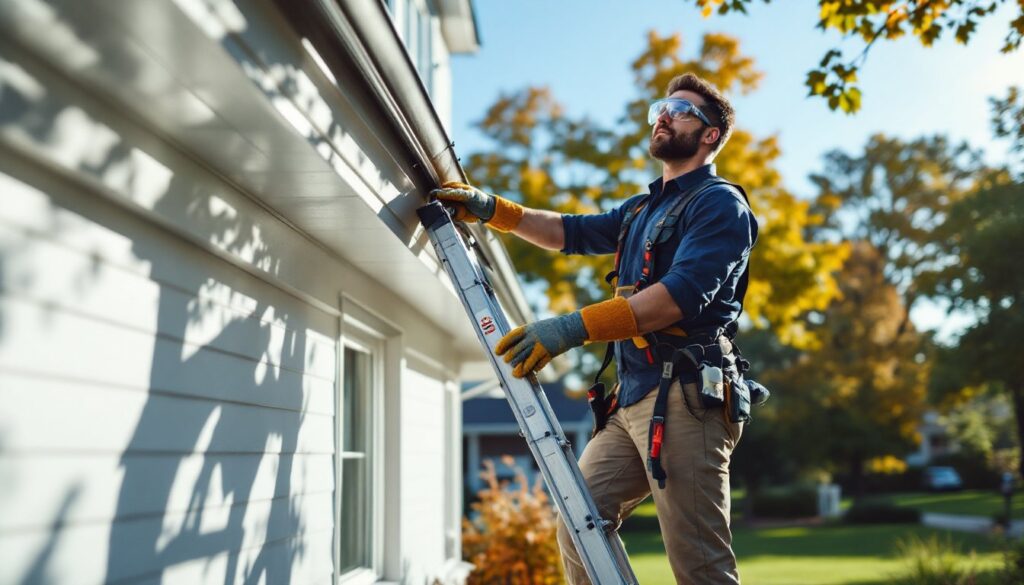
- Extension Ladder: A 24-foot fiberglass extension ladder handles most two-story homes. Fiberglass is heavier than aluminum but doesn’t conduct electricity, critical when working near power lines. Budget $200-$400.
- Gutter Scoop: Plastic scoops ($5-$10) work, but a metal gutter scoop with a narrow profile fits standard 5-inch K-style gutters better and lasts longer.
- Work Gloves: Heavy-duty rubber gloves with textured palms. Gutter debris contains sharp metal flashing, shingle grit, and decomposed organic matter. Leather gloves soak through: nitrile holds up better.
- Safety Harness and Roof Anchors: For steep or high roofs, a fall-arrest harness ($100-$250) and temporary roof anchors are non-negotiable. OSHA doesn’t regulate most small gutter cleaning operations, but liability does.
- Leaf Blower: A cordless backpack blower (450+ CFM) clears roofs and blows out downspouts faster than hand tools. Expect $150-$300 for a decent homeowner-grade unit: commercial models run $400+.
- Buckets and Tarps: Five-gallon buckets hang from ladder hooks to collect debris. Drop cloths or tarps protect landscaping and catch overflow around downspouts.
Optional but Valuable:
- Gutter Cleaning Wand/Attachment: Attaches to a garden hose or pressure washer to flush gutters from the ground. Useful for initial flush after debris removal.
- Inspection Camera: A $30 borescope or smartphone endoscope helps diagnose downspout clogs without disassembly.
- Vehicle Signage: Magnetic signs or vinyl wraps turn the work truck into a rolling billboard. Budget $100-$500 depending on coverage and quality.
Safety Gear (Non-Negotiable): Safety glasses, work boots with slip-resistant soles, and hearing protection if using gas-powered blowers. According to home improvement experts, ladder-related injuries are a leading cause of DIY accidents, professional operators aren’t exempt from that risk.
Setting Your Pricing and Service Packages
Pricing too low leaves money on the table: pricing too high costs bookings. The key is understanding local market rates and structuring packages that encourage repeat business.
Pricing Models:
- Per Linear Foot: $0.75-$1.50 per linear foot of gutter is common. A typical single-story home with 150 linear feet of gutter runs $110-$225.
- Flat Rate by Home Size: Many operators charge by the story and square footage. Single-story homes: $75-$150. Two-story: $150-$300. Large or complex rooflines push $400+.
- Hourly Rate: Less common but useful for overgrown or neglected properties. $50-$100 per hour depending on region.
Research shows that average gutter cleaning costs vary significantly by region and property complexity, so check what competitors charge locally before setting rates.
Package Strategies:
- Spring & Fall Bundle: Offer a 15-20% discount for customers who pre-book both seasonal cleanings. This locks in revenue and reduces marketing costs.
- Add-On Services: Downspout flushing, minor gutter repairs, gutter guard installation, or roof debris removal. Each add-on increases ticket size by $25-$100.
- Maintenance Plans: Annual contracts with twice-yearly service, priority scheduling, and discounted rates. Customers pay upfront or quarterly, which improves cash flow predictability.
Cost Factors to Include:
- Height and Pitch: Steep roofs or three-story homes require more time, safety equipment, and insurance risk. Charge accordingly.
- Gutter Condition: First-time cleanings or gutters packed with years of debris take 2-3x longer than routine maintenance.
- Accessibility: Tight side yards, landscaping obstacles, or homes without ladder-friendly access points add labor time.
- Travel Time: For rural routes or scattered appointments, build mileage or minimum service fees into pricing.
Don’t compete on price alone. Reliability, thoroughness, and communication often matter more to homeowners than saving $20.
Marketing Your Gutter Cleaning Services to Homeowners
Homeowners won’t hire a gutter cleaner they’ve never heard of. Marketing blends digital visibility with old-school local outreach.
Digital Marketing Strategies
Google Business Profile: Claim and optimize a profile with accurate service area, hours, phone number, and photos of completed jobs. Most gutter cleaning searches are local (“gutter cleaning near me”), and Google Maps results dominate mobile searches. Encourage satisfied customers to leave reviews, 5+ recent reviews significantly boost visibility.
Facebook and Nextdoor: Community-focused platforms work well for home services. Post before/after photos, seasonal reminders (“Fall is here, time to clean those gutters.”), and quick tips. Join local Nextdoor groups and respond to homeowner questions without being pushy. Paid Facebook ads targeting homeowners within a 15-mile radius can run $5-$10 per day and generate consistent leads.
Simple Website or Landing Page: A one-page site with services, pricing, contact info, and a booking form establishes credibility. Use a platform like WordPress, Wix, or Squarespace. Homeowners comparing multiple providers often skip businesses without an online presence. SEO basics matter: include city names, service keywords, and mobile-friendly design.
Email and Text Reminders: Collect customer emails and phone numbers (with permission). Send reminders 4-6 weeks before spring and fall service windows. A simple “It’s time to schedule your gutter cleaning” message converts 20-30% of past customers without additional ad spend.
Local Outreach and Networking
Door Hangers and Flyers: Paper still works in residential neighborhoods. Print 500 door hangers ($50-$100) and distribute in target zip codes after completing jobs. “We just cleaned your neighbor’s gutters, call us for a free quote.”
Partnerships with Complementary Trades: Roofers, landscapers, painters, and real estate agents regularly interact with homeowners who need gutter services. Offer a referral fee ($10-$25 per booking) or reciprocal referrals. Real estate agents especially value reliable service providers for pre-sale home prep.
Vehicle Branding: A clean truck with business name, phone number, and website URL is a mobile ad. Park it in driveways during jobs, neighbors notice. Magnetic signs are removable for personal use: full wraps are permanent but higher impact.
Community Involvement: Sponsor a little league team, participate in local home shows, or offer free gutter cleaning for a nonprofit building. Visibility builds trust, and trust converts to bookings. Platforms like Angi also connect service providers with homeowners actively searching for help, though they typically charge per lead or a subscription fee.
Building a Reliable Customer Base and Repeat Business
Acquiring a new customer costs 5-10x more than retaining an existing one. Repeat business and referrals are the foundation of a sustainable gutter cleaning operation.
Deliver Consistent Quality: Show up on time, complete the job thoroughly, and clean up debris. Bag and haul away gutter muck or ask where the homeowner wants it placed. Small details, not tracking mud across driveways, re-positioning outdoor furniture exactly where it was, differentiate professionals from hacks.
Follow-Up Communication: Send a thank-you text or email within 24 hours. Include a recap of work completed and a reminder about the next recommended service date. Attach before/after photos if the transformation is dramatic. Homeowners appreciate proof of work, especially when they didn’t watch the entire job.
Automate Reminders: Use a CRM tool (HubSpot, Jobber, Housecall Pro) or even a spreadsheet with calendar alerts to trigger reminders 8-10 weeks before the next season. “Hi [Name], it’s almost time for your fall gutter cleaning. Reply YES to schedule or call us at [number].” Automation removes the burden of manual outreach and ensures no customer falls through the cracks.
Incentivize Referrals: Offer existing customers $20-$50 off their next service for every new customer they refer who books. Word-of-mouth remains the most trusted marketing channel for home services.
Expand Service Offerings Gradually: Once the customer base is established, add gutter guard installation, minor repairs, or pressure washing. Upselling to existing customers is easier than cold prospecting, and it increases lifetime customer value.
Maintain Insurance and Professionalism: General liability insurance ($400-$800/year) protects against property damage claims. Customers feel more comfortable hiring insured operators. Print proof of insurance on estimates and invoices. If the business grows to include employees, workers’ compensation insurance becomes necessary in most states.
Consistent service, proactive communication, and a genuine focus on solving the homeowner’s problem, not just cleaning gutters, builds the reputation that turns a side hustle into a full-time income.