Table of Contents
ToggleLearning how to clean your home efficiently saves time, reduces stress, and creates a healthier living space. Most people spend an average of six hours per week on household cleaning tasks, but many waste time using ineffective methods or the wrong supplies.
This guide breaks down the cleaning process into practical steps anyone can follow. From gathering the right tools to building a schedule that works, these strategies turn cleaning from a dreaded chore into a manageable routine. Whether someone cleans daily or tackles everything on weekends, these methods deliver results.
Key Takeaways
- Learning how to clean efficiently can cut your six-hour weekly cleaning time significantly by using the right supplies and methods.
- Stock up on microfiber cloths—they outperform paper towels by trapping dust, dirt, and bacteria without leaving streaks.
- Follow the top-to-bottom rule when cleaning rooms to prevent dust from settling on already-cleaned surfaces.
- Create a realistic cleaning schedule that spreads daily, weekly, and monthly tasks to avoid overwhelming weekend marathons.
- Keep cleaning supplies stored in each room where they’re used to eliminate excuses and save time.
- Declutter before you clean—clearing surfaces first cuts actual cleaning time in half.
Essential Cleaning Supplies You Need
Good cleaning starts with the right tools. Stocking up on quality supplies makes every cleaning session faster and more effective.
Basic Cleaning Tools:
- Microfiber cloths (they trap dust better than cotton rags)
- A sturdy mop with replaceable heads
- Vacuum cleaner with attachments
- Scrub brushes in various sizes
- Spray bottles for homemade solutions
- Rubber gloves
- Bucket
Cleaning Products to Keep on Hand:
- All-purpose cleaner
- Glass cleaner
- Disinfectant spray or wipes
- Dish soap (works for more than just dishes)
- Baking soda
- White vinegar
- Toilet bowl cleaner
Here’s a tip: buy microfiber cloths in bulk. They last longer than paper towels and clean surfaces more thoroughly. One damp microfiber cloth picks up dust, dirt, and bacteria without leaving streaks behind.
For those who prefer eco-friendly options, mixing equal parts water and white vinegar creates an effective all-purpose cleaner. Add a few drops of essential oil, lemon or lavender work well, to mask the vinegar smell.
Room-by-Room Cleaning Strategies
Different rooms require different approaches. Breaking down cleaning tasks by room helps people focus their efforts where they matter most.
Kitchen Cleaning Tips
The kitchen collects grease, food particles, and bacteria faster than any other room. A daily wipe-down prevents buildup that becomes harder to remove later.
Start with dishes, a clean sink sets the tone for the whole space. Wipe countertops after every meal prep session. For stovetops, remove grates or burner covers and soak them in warm, soapy water while cleaning other areas.
The microwave needs attention too. Place a bowl of water with lemon slices inside and run it for three minutes. The steam loosens stuck-on food, making it easy to wipe clean.
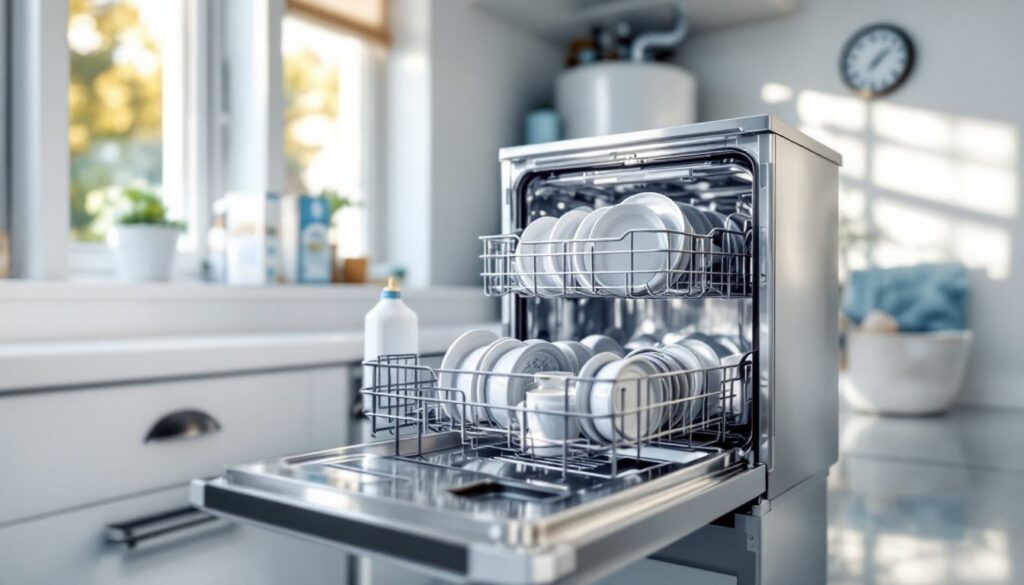
Don’t forget appliance handles. Door handles on refrigerators, ovens, and dishwashers collect fingerprints and germs. A quick disinfectant wipe keeps them sanitary.
Bathroom Cleaning Tips
Bathrooms need frequent cleaning due to moisture and bacteria buildup. Weekly deep cleaning prevents mold and keeps surfaces hygienic.
Spray the shower and tub with cleaner and let it sit for five minutes before scrubbing. This wait time allows the product to break down soap scum and hard water stains. A squeegee after each shower reduces buildup between cleanings.
For toilets, apply bowl cleaner under the rim and let it work while cleaning other fixtures. Scrub the bowl, then wipe down the seat, lid, and base. Many people forget the toilet handle, it’s one of the germiest spots in the bathroom.
Mirrors and glass get spotless results from a simple technique: spray cleaner onto a microfiber cloth rather than directly on the surface. This prevents drips and streaks.
How to Create a Cleaning Schedule
Consistency beats intensity when it comes to keeping a clean home. A cleaning schedule distributes tasks across days, preventing overwhelming weekend cleaning marathons.
Daily Tasks (10-15 minutes):
- Make beds
- Wash dishes or load the dishwasher
- Wipe kitchen counters
- Quick bathroom surface wipe
- Pick up clutter
Weekly Tasks:
- Monday: Vacuum all floors
- Tuesday: Clean bathrooms
- Wednesday: Dust furniture and surfaces
- Thursday: Mop hard floors
- Friday: Change bed linens
- Weekend: Tackle one deep-cleaning project
Monthly Tasks:
- Clean inside the refrigerator
- Wash windows
- Dust ceiling fans and light fixtures
- Clean behind and under furniture
- Wipe down baseboards
The key to sticking with a cleaning schedule? Keep it realistic. Someone working long hours won’t maintain an ambitious daily checklist. Start small, build the habit, then add tasks as cleaning becomes routine.
Some households find success assigning tasks to family members. Kids can handle age-appropriate chores like making beds, emptying small trash cans, or putting away toys.
Time-Saving Cleaning Hacks
Smart shortcuts make cleaning faster without sacrificing results. These hacks help people maintain a clean home even with busy schedules.
The Top-to-Bottom Rule: Always clean from ceiling to floor. Dust falls downward, so starting high means dirt lands on surfaces that haven’t been cleaned yet. This simple approach eliminates double work.
Two-Minute Tasks: If something takes less than two minutes, do it immediately. Wiping a spill, hanging up a coat, or rinsing a dish takes seconds but prevents bigger messes later.
Keep Supplies Where They’re Used: Store bathroom cleaning supplies in each bathroom. Keep kitchen cleaners under the sink. Having products within reach removes the excuse of “I’ll do it later.”
Multitask with Cleaning Products: While toilet bowl cleaner soaks, wipe mirrors. While oven cleaner works, tackle the stovetop. Let products do the heavy lifting.
The Basket Method: Walk through each room with a basket or bin. Collect items that belong elsewhere, then make one trip to return everything to its place. This beats running back and forth multiple times.
Declutter First: Cleaning around clutter takes twice as long. Spend five minutes putting things away before starting actual cleaning tasks. A clear surface cleans in half the time.