Table of Contents
ToggleCleaning vs. disinfecting, most people use these terms interchangeably, but they’re not the same thing. One removes dirt, while the other kills germs. Understanding the difference matters for your health and the safety of your household. This guide breaks down what each process does, when to use them, and how to apply the right method to different surfaces. By the end, you’ll know exactly which approach fits your situation.
Key Takeaways
- Cleaning removes dirt and debris from surfaces, while disinfecting kills germs—understanding this difference is essential for effective household hygiene.
- Always clean surfaces before disinfecting, as grime can shield germs from disinfectant chemicals and reduce effectiveness.
- Disinfect high-touch areas like doorknobs, light switches, and bathroom fixtures regularly, especially during flu season or when someone is sick.
- Avoid overusing disinfectants to prevent surface damage, skin irritation, and potential antimicrobial resistance in bacteria.
- Use color-coded microfiber cloths for different rooms to trap more particles and prevent cross-contamination between spaces.
- The cleaning vs. disinfecting approach should adapt to your household’s needs—families with young children or immunocompromised members may require more frequent disinfection.
What Does Cleaning Actually Do?
Cleaning removes visible dirt, dust, and debris from surfaces. It uses soap or detergent mixed with water. The physical action of scrubbing lifts particles and washes them away.
This process doesn’t kill germs. Instead, it reduces their numbers by physically removing them from surfaces. Think of cleaning as the first step in hygiene, it clears the way for deeper sanitization if needed.
Soap works by breaking down oils and grease that trap dirt. When you wipe or scrub, you transfer these particles to your cloth or sponge. Rinsing then carries them away.
What cleaning accomplishes:
- Removes food residue and stains
- Eliminates dust and allergens
- Reduces surface grime
- Lowers germ counts (but doesn’t eliminate them)
Cleaning alone works well for everyday maintenance. Countertops, floors, and windows typically need regular cleaning to stay presentable. But, cleaning won’t protect against illness-causing bacteria or viruses on high-touch surfaces.
How Disinfecting Works
Disinfecting kills germs on surfaces using chemical agents. Common disinfectants include bleach, hydrogen peroxide, and alcohol-based solutions. These products destroy bacteria, viruses, and fungi on contact.
The key difference between cleaning vs. disinfecting lies in the outcome. Cleaning removes. Disinfecting kills. Both serve distinct purposes in a complete hygiene routine.
Disinfectants require proper contact time to work effectively. Most products need to remain wet on a surface for several minutes. Check the product label for specific instructions, rushing this step reduces effectiveness.
How disinfectants work:
- Chemical agents break down cell walls of microorganisms
- Alcohol denatures proteins in bacteria and viruses
- Bleach oxidizes and destroys organic material
- Quaternary ammonium compounds disrupt cell membranes
Here’s an important point: disinfecting a dirty surface doesn’t work well. Grime and organic matter can shield germs from disinfectant chemicals. That’s why cleaning should always come before disinfecting for best results.
The EPA registers and regulates disinfectant products in the United States. Look for EPA registration numbers on product labels to confirm effectiveness against specific pathogens.
When to Clean vs. When to Disinfect
Knowing when to clean vs. when to disinfect saves time and resources. Not every surface needs disinfection every day. Strategic application produces better results than constant chemical use.
Clean regularly:
- Daily for kitchen counters and stovetops
- Weekly for floors, windows, and mirrors
- As needed for visible spills or messes
Disinfect in these situations:
- After preparing raw meat or poultry
- When someone in the household is sick
- On high-touch surfaces during flu season
- In bathrooms, especially toilet areas
- After contact with bodily fluids
Overusing disinfectants carries downsides. Some products can damage certain surfaces over time. Excessive chemical exposure may irritate skin and respiratory systems. And overuse contributes to antimicrobial resistance in some bacteria.
A practical approach: clean first, then disinfect only where germs pose a real risk. Bathroom handles, light switches, and doorknobs benefit from regular disinfection. A bookshelf or picture frame? Cleaning alone handles that just fine.
The cleaning vs. disinfecting decision also depends on who lives in your home. Households with young children, elderly family members, or immunocompromised individuals may need more frequent disinfection of shared surfaces.
Common Surfaces and the Right Approach
Different surfaces require different methods. Using the wrong product can damage materials or leave germs behind. Here’s a breakdown of common household surfaces and the recommended approach.
Kitchen Surfaces
Countertops need daily cleaning and periodic disinfection, especially after food prep. Granite and marble require pH-neutral cleaners: acidic products damage the stone. Stainless steel cleans well with dish soap and water, followed by a stainless-specific polish.
Cutting boards demand extra attention. Plastic boards can go in the dishwasher. Wooden boards need hand washing with hot, soapy water, then air drying. Disinfect both types after cutting raw meat.
Bathroom Fixtures
Toilets, sinks, and faucets benefit from the cleaning vs. disinfecting one-two punch. Clean first to remove soap scum and buildup. Then apply disinfectant to kill bacteria. Pay special attention to toilet handles and faucet knobs.
Electronics
Phones, tablets, and keyboards collect germs constantly. Use 70% isopropyl alcohol wipes for these items. Avoid excess moisture near ports and openings. Never spray liquid directly onto electronic devices.
Soft Surfaces
Carpets, upholstery, and curtains trap dust and allergens. Regular vacuuming handles most cleaning needs. For disinfection, use products specifically designed for soft surfaces and follow label directions carefully.
Best Practices for a Healthy Home
Effective cleaning vs. disinfecting routines don’t require hours of daily work. Smart habits produce better results than sporadic deep cleaning sessions.
Establish a routine:
- Wipe down kitchen surfaces after each meal
- Clean bathrooms weekly
- Disinfect high-touch areas twice weekly
- Deep clean monthly
Use products correctly:
- Read labels before use
- Never mix cleaning products (especially bleach and ammonia)
- Allow proper contact time for disinfectants
- Rinse surfaces that contact food after disinfecting
Protect yourself:
- Wear gloves when using harsh chemicals
- Ensure good ventilation during cleaning
- Store products away from children and pets
- Wash hands after removing gloves
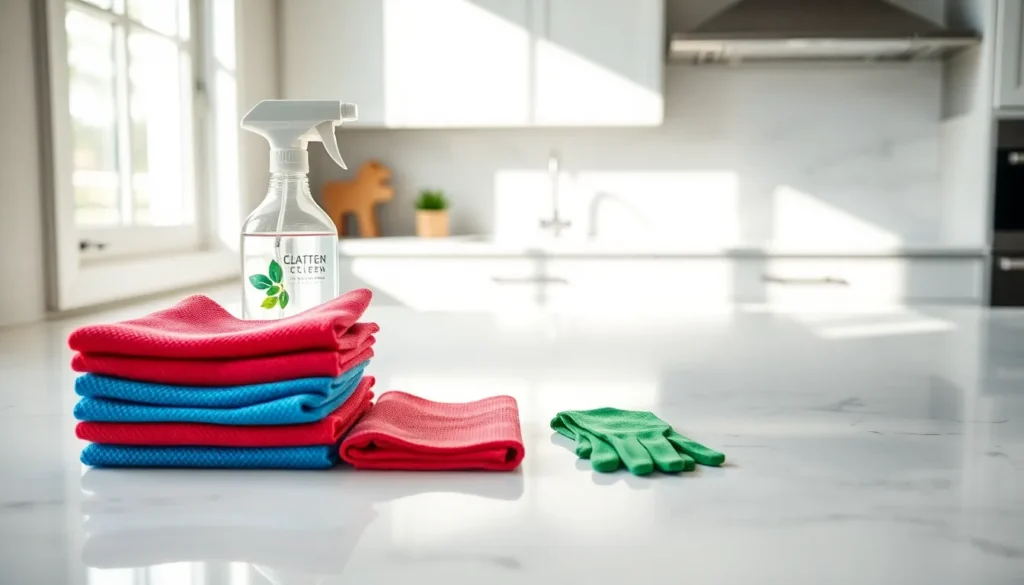
Microfiber cloths outperform traditional rags for cleaning. Their structure traps more particles and bacteria. Use separate cloths for different rooms to avoid cross-contamination.
Consider color-coding your supplies. Red cloths for bathrooms, blue for kitchens, green for general areas. This simple system prevents accidentally spreading bathroom germs to kitchen surfaces.
The cleaning vs. disinfecting balance shifts with circumstances. During cold and flu season, increase disinfection frequency. When everyone’s healthy, regular cleaning maintains a safe environment without chemical overload.