Table of Contents
ToggleA slow drain transforms from minor annoyance to full-blown emergency faster than most homeowners expect. Water pooling in the shower, a kitchen sink that won’t empty, or gurgling sounds from a toilet, these are signals that something in the drain system needs attention. While chemical drain cleaners promise instant relief, they often damage pipes and provide only temporary fixes. Most residential drain clogs respond well to straightforward mechanical methods and natural cleaning solutions that homeowners can apply themselves. This guide covers how to identify drain problems early, select the right tools for the job, execute proven clearing techniques, and recognize when professional help becomes necessary.
Key Takeaways
- Drain cleaning plumbing problems range from simple single-fixture clogs that respond to DIY methods to main line blockages requiring professional motorized augers or hydro-jetting systems.
- Essential drain cleaning tools include cup plungers, hand augers, P-trap removal equipment, and natural solutions like baking soda and vinegar that avoid pipe damage from caustic chemicals.
- DIY drain cleaning techniques such as the plunger method, P-trap removal, and drain snake operation work effectively for localized clogs when executed with proper technique.
- Multiple fixtures backing up simultaneously, persistent foul odors, or recurring clogs in the same location signal structural issues that require professional plumber inspection and repair.
- Preventive maintenance including monthly hot water flushing, drain screens, quarterly enzyme treatments, and vent stack inspection dramatically reduces the need for emergency drain cleaning.
- Frozen drain lines, main sewer line blockages, and complex multi-story building drainage systems exceed DIY scope and require licensed professionals with specialized equipment and gas detection safety gear.
Signs Your Drains Need Professional or DIY Cleaning
Understanding the difference between a simple clog and a serious plumbing issue saves time, money, and potential water damage. Slow drainage in a single fixture usually indicates a localized clog that responds to DIY methods. When water takes more than a few seconds to drain from a sink or tub, debris has built up enough to restrict flow but hasn’t created a complete blockage.
Multiple fixtures backing up simultaneously signals a problem in the main drain line or sewer lateral, this requires professional equipment like motorized augers or hydro-jetting systems that reach 50-100 feet into the drainage system. If flushing a toilet causes water to back up into a shower or running the washing machine floods a basement floor drain, the issue extends beyond what hand tools can address.
Persistent foul odors from drains indicate organic buildup or, in worst cases, a broken vent pipe or cracked drain line. A P-trap that’s dried out produces a sewer gas smell but refills easily by running water: ongoing odors even though regular use point to biofilm accumulation or venting problems.
Gurgling sounds when water drains suggest air displacement from partial blockages or vent stack issues. A properly vented drain system should operate silently. Water pooling around floor drains or cleanout caps means the system has exceeded capacity, either from a blockage or, less commonly, root intrusion in older clay or cast-iron sewer lines.
Frequent clogs in the same location, especially if they return within weeks of clearing, indicate a structural problem like pipe misalignment, bellied sections, or scale buildup that narrows the pipe diameter. These conditions require camera inspection and often pipe repair or replacement.
Essential Tools and Supplies for Drain Cleaning
Basic hand tools handle most residential clogs without requiring specialized equipment:
- Cup plunger: The standard toilet plunger with a flat rim works for sinks, tubs, and showers. Flange plungers (with an extended rubber collar) seal better on toilet outlets.
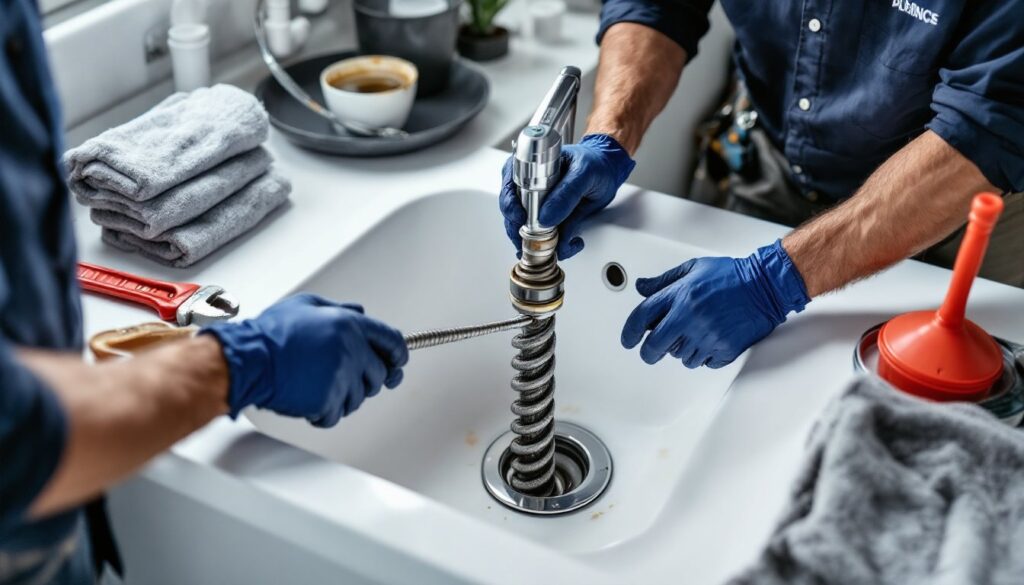
- Drain snake (hand auger): A 25-foot ¼-inch cable with a crank handle reaches clogs in branch lines. The cable tip should have a bulbous retriever head or corkscrew end to grab hair and debris.
- Closet auger: This specialized toilet auger has a curved rigid shaft that navigates the trap without scratching porcelain. The 3-6 foot reach handles most toilet-specific clogs.
- Adjustable pliers or pipe wrench: Needed to remove P-traps and cleanout plugs. A 10-inch adjustable wrench fits most residential drain fittings.
- Bucket and old towels: Drain work involves water spillage. A 5-gallon bucket catches P-trap contents: towels protect cabinets and floors.
- Flashlight or headlamp: Hands-free lighting makes it easier to inspect drain openings and work under sinks.
- Rubber gloves: Chemical-resistant gloves protect hands from debris and any residual cleaning products in the pipes.
Natural cleaning supplies break down organic clogs without the pipe damage associated with caustic chemicals:
- Baking soda and white vinegar: The reaction creates agitation that loosens light buildup. Not strong enough for solid clogs but useful for maintenance.
- Dish soap: Grease-cutting formulas help dissolve minor grease accumulations when followed with hot water.
- Enzyme-based drain cleaners: These biological formulas digest hair, soap scum, and food particles over 6-12 hours without corroding pipes. They work best as preventive maintenance rather than emergency solutions.
Power tools for stubborn clogs require more skill but provide professional-level results:
- Drill-powered drum auger: A 25-50 foot cable attached to a drill offers more torque than hand-cranking. Requires careful speed control to avoid cable kinking or pipe damage.
- Wet/dry vacuum: A shop vac with a 6-gallon capacity can sometimes pull clogs out through suction when fitted tightly over a drain opening.
Step-by-Step DIY Drain Cleaning Methods That Actually Work
Natural Drain Cleaning Solutions
Hot water flush works for minor grease clogs in kitchen sinks. Boil a full kettle of water and pour it directly down the drain in stages, allowing 5-10 seconds between pours. The sustained heat melts accumulated fats that have solidified on pipe walls. This method doesn’t work on PVC pipes with glued joints rated below 140°F, check pipe material first.
Baking soda and vinegar treatment provides gentle cleaning action:
- Remove standing water from the sink or tub.
- Pour ½ cup baking soda down the drain.
- Follow with 1 cup white vinegar.
- Cover the drain opening with a wet cloth to contain the fizzing reaction.
- Wait 30 minutes, then flush with hot tap water for 2-3 minutes.
This combination won’t clear solid obstructions but helps dissolve soap scum and light organic buildup. The effervescent reaction creates minimal pressure, not enough to damage pipes or force clogs deeper.
Enzyme drain cleaners require patience but work well on hair and organic matter. Pour the manufacturer’s recommended amount (typically 4-8 ounces) into the drain before bed. The bacterial enzymes digest buildup over 6-12 hours. Avoid using water in that drain during treatment. Monthly applications prevent buildup better than they clear established clogs.
Mechanical Drain Cleaning Techniques
Plunger method creates hydraulic pressure that dislodges clogs:
- Fill the sink or tub with 3-4 inches of water to cover the plunger cup.
- Block the overflow opening with a wet rag, this prevents air escape and maintains pressure.
- Position the plunger to create a complete seal over the drain.
- Push down slowly to expel air, then pull up sharply. The suction often works better than the downward push.
- Repeat 15-20 times with forceful, rapid strokes.
If water starts draining, run hot water for several minutes to flush loosened debris.
P-trap removal eliminates clogs at the most common location:
- Place a bucket under the P-trap (the curved section of pipe beneath the sink).
- Loosen the slip nuts at both ends of the trap using pliers or a pipe wrench. Most residential traps use 1¼-inch or 1½-inch ABS or PVC fittings.
- Remove the trap and dump contents into the bucket.
- Clean the trap interior with a bottle brush and inspect for cracks or worn washers.
- Reinstall the trap, hand-tightening slip nuts first, then snugging with pliers, overtightening cracks plastic fittings.
Drain snake operation reaches clogs beyond the P-trap:
- Remove the P-trap or access the drain through a cleanout opening if available.
- Feed the auger cable into the drainpipe, cranking clockwise as it advances.
- When the cable meets resistance, apply steady forward pressure while continuing to rotate. The clog will either break apart or catch on the auger tip.
- If the cable catches the clog, pull back gently while rotating to extract debris.
- Advance and retract the cable several times to ensure complete clearing.
- Flush the line with hot water once the auger moves freely.
Some drain clearing techniques require practice to master cable handling without kinking. Start with a 15-foot reach and increase length only if necessary, excess cable makes the auger harder to control.
When to Call a Professional Plumber for Drain Cleaning
Main line blockages exceed DIY capabilities. When multiple fixtures back up or a cleanout cap overflows, the obstruction sits in the main drain line or sewer lateral. Professional plumbers use motorized drain machines with 50-100 foot cables and cutting heads sized to 3-4 inch sewer pipes. Some blockages require hydro-jetting equipment that blasts water at 3,000-4,000 PSI to scour pipes clean.
Recurring clogs in the same location suggest structural issues rather than simple debris accumulation. Tree roots infiltrate older clay or cast-iron sewer lines through joints and cracks. Scale buildup from hard water narrows galvanized steel pipes over decades. A plumber can run a camera inspection to identify pipe condition and recommend repair or replacement.
Frozen drain lines in unheated spaces need professional thawing equipment. Applying direct heat to PVC or ABS pipes causes warping or cracking. Licensed plumbers use heat tape or low-voltage thawing machines designed for plastic drainage systems.
Commercial or multi-story buildings have complex drainage systems with venting requirements and load calculations beyond residential scope. Plumbing codes in most jurisdictions require licensed professionals for work on shared drain stacks and main building drains.
When deciding whether to tackle a drain issue or hire a professional, consider both the location and persistence of the problem. Safety equipment matters too, sewer gas contains methane and hydrogen sulfide that become hazardous in confined spaces like crawlspaces or basements. Professionals carry gas detectors and ventilation equipment for work in these areas.
Permit requirements vary by jurisdiction but generally apply when accessing main sewer lines or modifying drain system layouts. Most municipalities exempt simple repairs like P-trap replacement or augering a branch line. Check local building department rules before cutting into drain pipes or installing cleanouts.
Preventive Maintenance Tips to Avoid Future Drain Clogs
Monthly hot water flushing keeps grease from accumulating in kitchen drains. Run the hottest tap water for 2-3 minutes once a week, or follow dishwasher cycles with additional hot water to push grease completely through drain lines before it cools and solidifies.
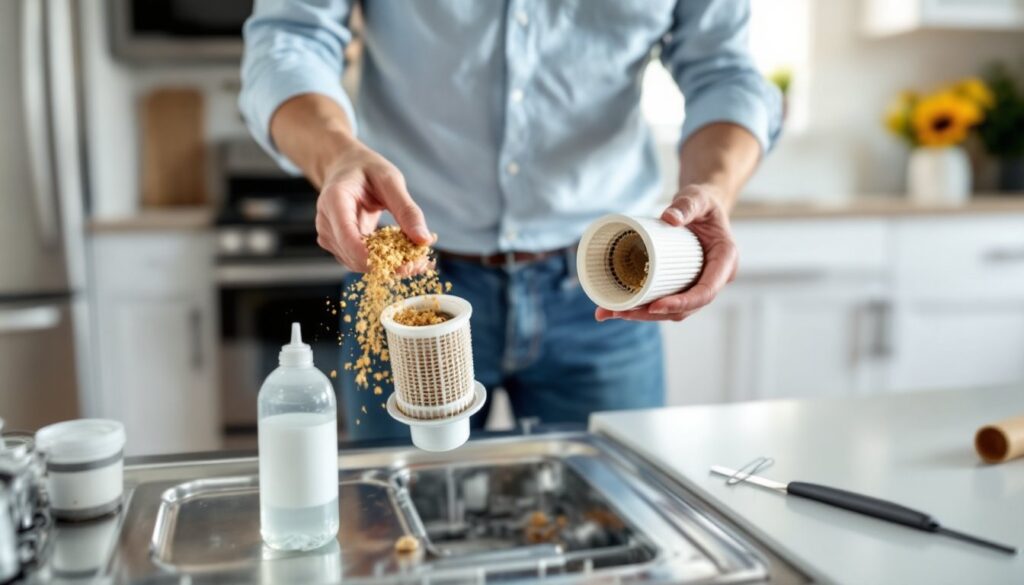
Drain screens and hair catchers prevent the most common clog source from entering pipes. Mesh screens with 2-3mm openings catch hair in tubs and showers while allowing water to flow freely. Empty them weekly, once hair mats form, water flow slows and encourages soap scum buildup.
Avoid pouring grease, coffee grounds, and food scraps down kitchen drains. Grease solidifies at room temperature and coats pipe interiors: coffee grounds clump together and create paste-like blockages. Scrape plates into compost or trash before rinsing.
Run garbage disposals properly: Turn on cold water before starting the disposal and keep it running for 15-20 seconds after grinding stops. Cold water solidifies grease so disposal blades can chop it into small particles that flush through the system. Hot water melts grease, allowing it to coat pipes downstream.
Quarterly enzyme treatments digest organic buildup before it becomes problematic. Pour 4-8 ounces of enzyme cleaner down each drain, let it sit overnight, then flush with water in the morning. This maintenance costs less than emergency drain clearing and extends pipe life.
Check P-traps and cleanouts annually. Remove accessible P-traps under sinks to inspect for deteriorating washers, cracks, or heavy buildup. Replace worn washers proactively to prevent leaks. Test cleanout caps to ensure they haven’t corroded in place, a cap that won’t budge when you need emergency access creates major problems. Understanding basic home maintenance costs helps budget for both preventive care and unexpected repairs.
Vent stack inspection should happen during roof maintenance. Blocked vent stacks prevent proper drainage and create pressure imbalances that lead to slow drains and gurgling sounds. Check that bird nests, leaves, or ice haven’t blocked the vent opening. Most residential vent stacks terminate 12-24 inches above the roof line with a 3-4 inch diameter opening.
Water softeners reduce scale buildup in areas with hard water. Calcium and mineral deposits gradually narrow pipe diameter, especially in galvanized steel and older copper lines. Installing a water softener protects both drain lines and water supply pipes from long-term degradation.