Table of Contents
ToggleMilwaukee homes face unique drainage challenges. Aging infrastructure, freeze-thaw cycles, and hard water deposits turn minor slowdowns into full-blown backups. Whether it’s a kitchen sink that won’t drain or a basement floor drain overflowing during heavy rain, knowing how to tackle clogs, and when to call for backup, saves both time and money. This guide walks through common drain issues, proven DIY methods, professional service options, and prevention tactics that keep Milwaukee pipes flowing year-round.
Key Takeaways
- Milwaukee drain cleaning challenges stem from aging cast iron pipes, hard water deposits, and freeze-thaw cycles that require both DIY methods and professional intervention.
- Natural solutions like baking soda and vinegar work for organic buildup, while mechanical tools such as plungers and drain snakes effectively clear most household clogs without damaging pipes.
- Call a licensed plumber for recurring multiple fixture backups, persistent sewage odors, or if DIY snaking fails twice—these indicate main line obstructions requiring hydro-jetting or camera inspection.
- Prevent future clogs by installing mesh drain screens, never pouring grease down drains, running hot water after kitchen use, and avoiding flushing anything except toilet paper.
- Schedule annual sewer inspections for homes over 50 years old to catch root intrusion, corrosion, and pipe damage early, and consider a water softener to reduce mineral buildup in Milwaukee’s hard water areas.
Common Drain Problems Milwaukee Homeowners Face
Milwaukee’s older neighborhoods, particularly those with homes built before 1970, often have cast iron or galvanized steel drain lines that corrode from the inside out. These pipes accumulate rust, mineral buildup, and even tree root intrusion where sewer laterals connect to the city main.
Hard water is another major culprit. Milwaukee’s municipal water averages 7-10 grains per gallon of hardness, depositing calcium and magnesium inside pipes over time. Kitchen drains clog faster when grease mixes with these minerals, forming stubborn deposits.
Basement floor drains frequently back up during spring thaw or heavy rain events. Sediment, laundry lint, and debris settle in the trap, restricting flow when basement sump systems or street drainage overwhelm the system.
Toilet clogs from excessive paper or foreign objects (think kids’ toys) are common, but recurring toilet backups can signal a deeper issue: a blocked vent stack or main line obstruction. If multiple fixtures drain slowly or gurgle when one is used, the problem likely sits beyond a single trap.
DIY Drain Cleaning Methods That Actually Work
Natural Drain Cleaning Solutions
Start with the least invasive approach. For mild kitchen or bathroom sink clogs, boiling water alone can melt soap scum and grease. Boil a full kettle (about 8 cups) and pour in two stages, letting the first dose work for 30 seconds before adding the rest. Don’t use boiling water on PVC drain lines attached to older fixtures, temperatures above 175°F can soften joints.
The baking soda and vinegar method works for organic buildup, not solid obstructions. Pour 1/2 cup baking soda down the drain, follow with 1 cup white vinegar, cover the drain opening with a wet rag, and wait 15 minutes. Flush with hot tap water. This creates fizzing action that loosens hair and soap residue but won’t clear a grease plug or foreign object.
For enzyme-based maintenance, products containing bacteria cultures digest organic matter over 6-8 hours. These are preventative, they won’t bust through an existing clog but help maintain slow-draining lines. Apply monthly to kitchen drains prone to grease accumulation.
Mechanical Tools for Stubborn Clogs
A cup plunger (flat-bottomed) handles most toilet clogs: a flange plunger (with an extended rubber flap) seals better inside toilet bowls. Fill the fixture with enough water to cover the plunger cup, block the overflow opening with a wet rag, and use short, forceful thrusts, not wild pumping. Twenty strokes should tell you if it’s working.
For sink and tub drains, a drain snake (or hand auger) reaches 15-25 feet into the line. Insert the cable, crank the handle clockwise while pushing forward, and retract slowly once you hit resistance. When the cable snags hair or debris, pull it back rather than forcing it deeper. A closet auger has a protective sleeve designed specifically for toilet traps, it won’t scratch porcelain.
Wet/dry vacuums can pull out clogs near the drain opening. Set the vacuum to liquids mode, create a tight seal over the drain (you may need duct tape and a rag), and run it on full power for 30-60 seconds. This works surprisingly well on bathtub hair clogs and floor drain sediment.
Avoid chemical drain cleaners (sodium hydroxide or sulfuric acid formulas) in older homes. They generate heat that can crack porcelain, corrode galvanized pipes, and create toxic fumes. If you must use them, choose an enzymatic product and never mix chemicals, combining acidic and alkaline cleaners produces dangerous reactions.
When to Call a Professional Drain Cleaning Service
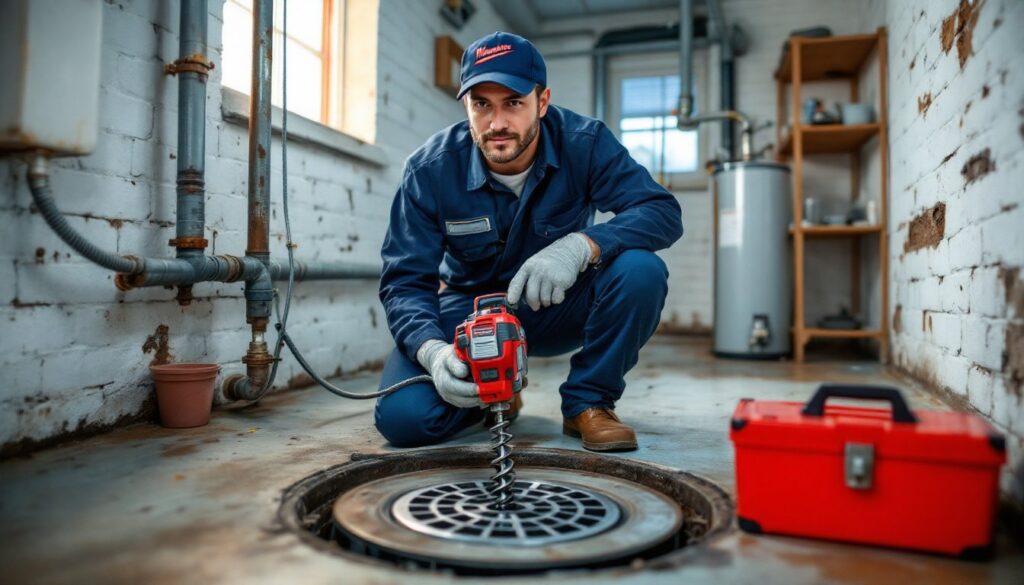
Some clogs sit beyond DIY reach. If you’ve snaked a drain twice without success, the blockage likely sits in the main line or requires hydro-jetting, a process where high-pressure water (3,000-4,000 PSI) scours pipe interiors clean. Licensed plumbers use this for grease buildup, mineral scale, and tree root infiltration.
Multiple fixture backups indicate a main sewer line obstruction. When flushing a toilet causes the bathtub to gurgle or water backs up in the basement floor drain, the problem sits downstream of all your fixtures. This often requires a sewer camera inspection to locate the blockage before repair. Many homeowners looking for reliable help turn to resources like top-rated drain cleaning professionals to find experienced local services.
Sewage odors coming from drains signal a venting problem or a dried-out P-trap. If running water doesn’t eliminate the smell, a professional needs to inspect the vent stack (the pipe extending through your roof) for blockages from bird nests, ice dams, or debris.
Call immediately if you see sewage backing up into the house. This is a health hazard requiring urgent attention. Turn off water to the affected fixtures, avoid using any drains, and contact a 24-hour emergency plumber. Milwaukee’s combined sewer system can cause backups during heavy rain events, if this happens repeatedly, you may need a backwater valve installed (typically $1,500-$3,000 including labor, though costs vary widely).
Tree roots are a chronic issue in older Milwaukee neighborhoods. Roots enter through tiny cracks in clay or cast iron pipes, then expand into thick mats. A pro can cut them out with a mechanical auger or hydro-jetting, but permanent solutions often require pipe lining or replacement, work that needs permits and licensed contractors.
Preventing Future Drain Clogs in Your Milwaukee Home
Prevention beats emergency repairs every time. Install mesh drain screens over all tub, shower, and sink drains. Clean them weekly, hair and soap scum buildup happens faster than most people realize.
In the kitchen, never pour grease or cooking oil down the drain. Let it solidify in a can or jar, then trash it. Even small amounts accumulate inside pipes, especially in unheated basement drain lines where temperatures drop in winter. Wipe greasy pans with paper towels before washing.
Run hot water for 30 seconds after each kitchen sink use. This keeps fats moving through the trap and into the main line before they cool and stick. Once a month, flush drains with boiling water (if pipes are metal) or very hot tap water (for PVC).
Never flush anything except toilet paper and human waste. So-called “flushable” wipes don’t break down like toilet paper, they snag on any rough spot inside pipes and catch other debris. Feminine hygiene products, cotton swabs, and dental floss are common culprits in Milwaukee service calls.
Maintain P-traps in basement floor drains and utility sinks. These traps hold water that blocks sewer gases from entering the house. In dry basements, the water evaporates, leaving an open path for odors. Pour a gallon of water down unused drains every month, or add a few tablespoons of mineral oil to slow evaporation.
Schedule annual inspections if your home is over 50 years old. A plumber can camera-inspect the main sewer line for root intrusion, corrosion, or bellied sections (where the pipe has settled and creates a low spot). Catching these early prevents emergency replacements. When budgeting for home maintenance projects, tools like cost estimators help homeowners plan for both routine upkeep and unexpected repairs.
Consider a water softener if you’re in a high-hardness area. Softened water reduces mineral buildup in pipes, extends appliance life, and cuts down on soap scum, all of which keep drains flowing freely. For other maintenance tasks around the house, resources like DIY repair guides offer step-by-step instructions for everything from fixing leaky faucets to tackling more advanced plumbing projects.
Conclusion
Milwaukee’s mix of aging infrastructure, hard water, and harsh winters makes drain maintenance a year-round priority. Most clogs respond to simple DIY methods, plungers, snakes, and hot water, but knowing when to call a pro prevents small problems from becoming expensive emergencies. Regular prevention keeps pipes clear and saves money in the long run.