Table of Contents
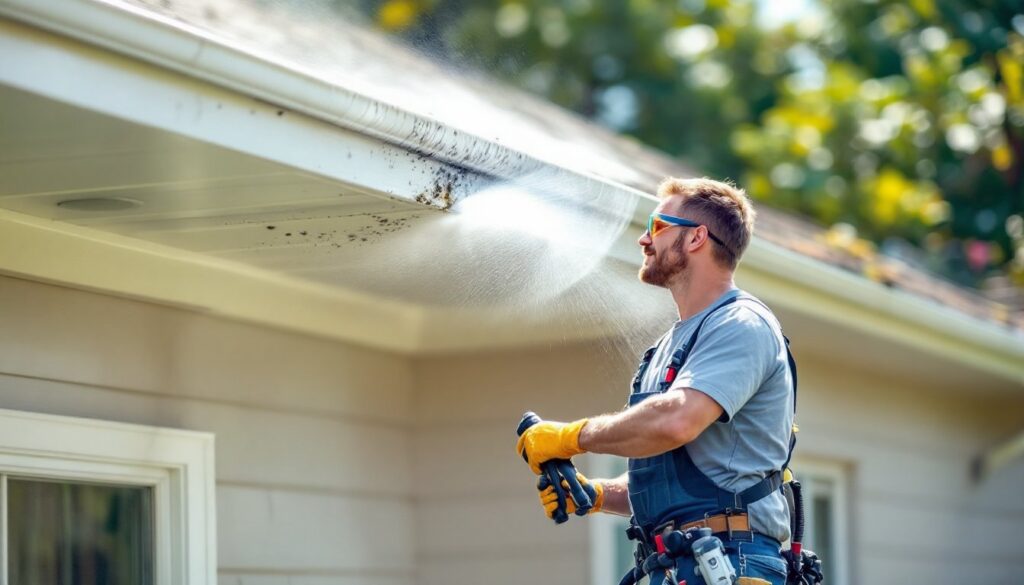
ToggleGutter cleaning isn’t glamorous, but it’s one of the most important maintenance tasks a homeowner can tackle. Instead of climbing a ladder with a trowel and bucket, many DIYers are discovering that a pressure washer can dramatically speed up the job, turning a half-day chore into a 30-minute task. A pressure washer delivers a forceful stream of water that blasts out leaves, twigs, silt, and debris far more efficiently than manual methods. But like any power tool, using a pressure washer to clean gutters requires the right technique, proper safety setup, and realistic expectations about when this approach makes sense.
Key Takeaways
- A pressure washer to clean gutters can cut your gutter cleaning time from 60–90 minutes to just 20–30 minutes, delivering thousands of PSI to blast out leaves, debris, and sediment far more efficiently than manual methods.
- Use a pressure washer in the 2000–2500 PSI range with a 40-degree fan nozzle to avoid damaging gutters; avoid 0-degree pinpoint nozzles that can puncture gutter walls.
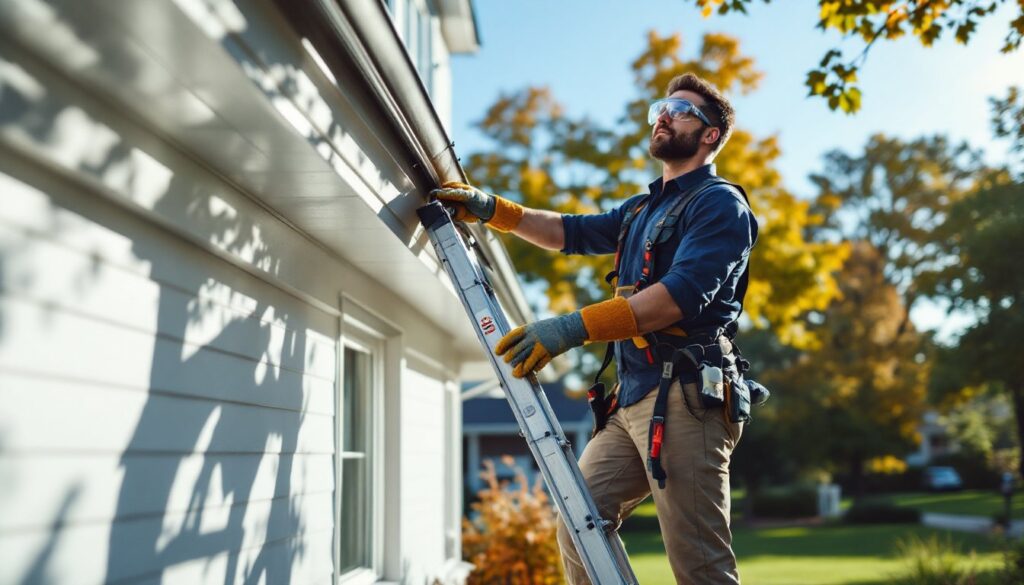
- Always prioritize safety by wearing eye protection, work gloves, closed-toe shoes, securing your ladder at a 75-degree angle, having a spotter at ground level, and clearing large debris by hand before pressure washing to prevent downspout clogs.
- Never use a pressure washer on gutters with structural damage like separated seams, rust holes, or loose fasteners—inspect first, and call a professional if problems exist.
- Angle your pressure washer nozzle along the gutter channel rather than straight down, work in 10–15 foot sections, and always verify water drains freely through the downspout to complete the job properly.
- Skip DIY pressure washing if your home is two-story or taller, you have physical limitations, or you’re uncomfortable working at height—professional gutter cleaning services ($150–300) offer better safety and peace of mind.
Why Pressure Washers Work Well for Gutter Cleaning
A pressure washer excels at moving stubborn buildup from gutter channels because water volume and force do the heavy lifting. Standard manual gutter cleaning, the trowel-and-bucket method, relies on hand pressure and repeated trips up and down a ladder. With a pressure washer, you’re applying thousands of pounds per square inch (PSI) of force, which dislodges packed leaves, sediment, and algae far faster.
The speed advantage is real. Most homeowners can clean 100 linear feet of gutters with a pressure washer in 20–30 minutes, compared to 60–90 minutes by hand. That efficiency matters, especially for larger homes or those surrounded by heavy trees.
Pressure washers also reduce hand strain. If you’ve spent an afternoon hand-cleaning gutters, you know how repetitive and tiring the work becomes. A pressure washer eliminates that repetitive scraping motion, which is especially helpful for older homeowners or anyone with joint issues.
But, pressure washers aren’t a magic solution. They work best on gutters already in decent shape, no separated seams, solid fasteners, and no major rust or damage. If your gutters are failing structurally, a pressure washer won’t fix that: it’ll only expose the problem faster.
Essential Safety Precautions Before You Start
A pressure washer is powerful enough to strip paint, damage siding, and cause serious injury. Before you point the nozzle at your gutters, you need to respect the tool and set yourself up safely.
Always wear eye protection, safety glasses or a full face shield. The force of water and debris rebounding from gutters can hit you in the face without warning. Wear work gloves (leather or nitrile) to protect your hands from the spray and from handling wet debris. A dust mask or respirator isn’t critical for pressure washing, but if you’re sensitive to mold or algae spores, one’s worthwhile.
Wear closed-toe shoes with good traction. You’ll be standing on a ladder or stepping across roof sections, and wet surfaces are slippery. Never wear flip-flops or open sandals.
Inform someone else in your household that you’re working at height. If you slip or injure yourself, you want help nearby.
Choosing the Right PSI and Nozzle
Pressure washer power is measured in PSI (pounds per square inch). Standard residential pressure washers range from 1500 to 3000 PSI. For gutter cleaning, you don’t need the maximum: in fact, too much pressure damages gutters.
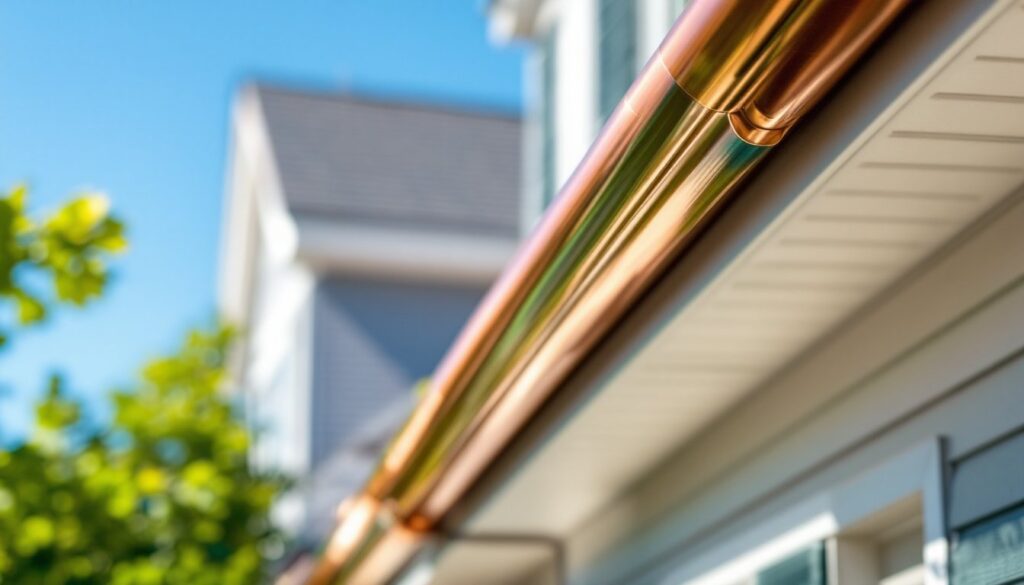
Use a pressure washer in the 2000–2500 PSI range for most gutters. This provides enough force to clear debris without denting aluminum or steel channels. If your gutters are older vinyl or copper, stay at the lower end (1800–2000 PSI).
The nozzle tip matters just as much as PSI. A 40-degree fan nozzle (often labeled yellow or green on pressure washer equipment) is ideal for gutters. This spreads water over a wider area, reducing concentrated force at any single spot. Never use a 0-degree pinpoint nozzle on gutters, it’ll puncture through thin gutter walls instantly.
If you don’t own a pressure washer, renting one from a home improvement store (typically $50–75 per day) is cheaper than buying, especially if you only clean gutters once a year. Many rental centers will guide you through PSI and nozzle selection when you pick up the unit.
Securing Your Ladder and Setup
You’ll be reaching up into gutters while holding a pressure washer wand. This is a balancing act that requires rock-solid ladder stability.
Use an extension ladder (not a stepladder) rated for at least 250 pounds. Position it on level, firm ground, never on a slope or soft soil. If your yard slopes, build up the downhill side with boards so the ladder base is level.
Set the ladder at a 75-degree angle to the wall (roughly a 4-to-1 ratio: for every 4 feet of ladder height, place the base 1 foot away from the house). Too steep, and you’ll tip backward: too shallow, and the ladder will slide out from under you.
Have a second person stabilize the ladder while you work. This isn’t optional for safety, your hands will be occupied with the pressure washer wand, so you can’t grip the ladder. Your spotter should stand at the base, one hand on the ladder, ready to call out warnings.
Wear a safety harness if you’re working on a steep roof or two-story section. Most hardware stores stock roof harnesses ($30–60) that anchor to a ridge or rafter. It’s insurance you may never need but shouldn’t skip.
Step-by-Step Guide to Pressure Washing Your Gutters
Once you’re set up safely, the actual process is straightforward. Here’s how to do it without damage.
1. Clear large debris first. Don’t spray out the entire gutter channel while you’re standing on a ladder. Instead, use a small hand scoop or your gloved fingers to pull out large leaves, twigs, and clumps of silt. This prevents clogs in your downspout and keeps the pressure washing phase faster and cleaner.
2. Position the ladder under the section you’re cleaning. Start at the low end of a run (near the downspout). This way, water and debris flow naturally toward the downspout instead of backing up into untreated sections.
3. Connect the pressure washer. Set the machine on the ground near the ladder base. A 50-foot hose extension works well so the unit doesn’t need to move every few feet. Never leave the pressure washer running unattended, turn it off when you pause between sections.
4. Begin the wash at low pressure. Start with the spray pointed at a low angle into the gutter channel, angled slightly downslope. Use smooth, steady passes rather than aggressive blasting. Let the water do the work. A common mistake is jamming the nozzle into the gutter and holding it steady, this concentrates force and can damage the bottom.
5. Work in sections. Clean 10–15 feet at a time, moving the ladder as you go. This keeps you in control and lets you inspect your work as you progress.
6. Check the downspout. Once a section is clean, point the wand (at lower pressure) into the downspout opening. A short burst clears any lodged debris. If water backs up, your downspout is clogged, you may need to disassemble it or use a plumbing snake to clear it.
7. Rinse the roof line. A light spray along the roof edge, eaves, and fascia removes overspray and debris. Keep the pressure low here, you don’t want to damage shingles or siding.
When you’re done, turn off the pressure washer, disconnect the hose, and drain excess water from the equipment before storing it. Let gutters dry for a few hours before inspecting your work in daylight.
Common Mistakes to Avoid When Pressure Washing Gutters
Even with good intentions, DIYers often make costly errors. Here’s what to watch for.
Skipping the hand cleanup. Trying to blast out all debris with pressure alone creates massive spray mess and can clog downspouts partway through. Remove the bulk of leaves and silt by hand first.
Using too much pressure. A pressure washer set to 3000+ PSI will dent aluminum gutters, crack vinyl, and even punch small holes. Respect the PSI limits, 2000–2500 is plenty.
Pointing the wand straight down into the gutter. This concentrated spray damages the gutter bottom and creates a mess of water and mud splashing outward. Angle the nozzle along the channel, letting water flow downslope naturally.
Neglecting the downspout. A clean gutter with a clogged downspout defeats the purpose. A gutter clean out only works if water can flow freely through the downspout. Check that water drains smoothly before calling the job done.
Working alone. Pressure washing gutters at height requires a spotter. Don’t skip this, it’s the difference between a safe job and an accident waiting to happen.
Not checking for damage first. If your gutters have separated seams, rust spots, or loose fasteners, a pressure washer can worsen those issues. Inspect before you start. If you see structural problems, hand-clean those areas or call a professional.
A guide to effortless gutter cleaning with a specialized hose can complement your pressure washer approach for tight spots or damaged sections.
When to Call a Professional Instead
Pressure washing gutters is a solid DIY project for healthy gutters on single-story or easily accessible two-story homes. But some situations call for a professional.
If your gutters show signs of failure, rust holes, separated seams, sagging sections, or fasteners pulling away from the house, hand it off. A professional can assess whether repair or replacement is needed and won’t risk making damage worse.
Two-story or steep-roof homes present serious fall risk. Even with a good ladder setup, working at 25+ feet while holding a pressure washer is risky. Most gutter cleaning services charge $150–300 for a typical home, which is reasonable insurance against injury.
If you have physical limitations, joint pain, or balance concerns, don’t attempt this at height. Hiring a professional costs less than medical bills from a fall.
Homeowners in regions where gutters need frequent cleaning due to heavy tree cover or climate, like Germantown, Maryland’s gutter maintenance or Gig Harbor’s wet climate, sometimes benefit from professional annual service instead of DIY.
If you’re uncertain about your setup, your gutter condition, or your comfort at height, call a pro. It’s not a failure, it’s good judgment. According to Family Handyman’s guidance on DIY decision-making, knowing when to bring in an expert separates smart homeowners from reckless ones.