Table of Contents
ToggleGutters aren’t glamorous, but they’re one of the hardest-working components of a home’s drainage system. Without them, water cascades directly off the roof, eroding soil, rotting fascia boards, and pooling around the foundation. That’s where gutter protection comes in. Whether you’re tired of climbing a ladder twice yearly to clear debris, or you’re looking to prevent water damage before it starts, the right gutter guard system can save time, money, and headaches. This guide walks you through the main types of gutter protection available, helps you understand the real benefits and trade-offs, and gives you the practical knowledge to decide whether DIY installation makes sense for your home.
Key Takeaways
- Gutter protection prevents costly water damage by stopping debris from clogging gutters, which can lead to foundation settling, basement moisture, and rotted fascia boards.
- The main types of gutter guards—mesh, micro-mesh, foam, brush, and hooded systems—vary in cost, maintenance, and effectiveness depending on your climate and tree coverage.
- Mesh and foam gutter protection systems are affordable and DIY-friendly, while hooded reverse-curve guards offer premium protection but typically require professional installation.
- Your climate, landscape, and gutter dimensions are critical factors: heavily wooded areas benefit from micro-mesh or hooded systems, while narrow older gutters may need replacement before adding any guard.
- Even well-chosen gutter protection systems require periodic maintenance, though a quality guard can reduce cleaning frequency from twice yearly to once yearly or less.
- Costs range from $500–$1,500 for DIY-friendly mesh systems to $2,000–$5,000 for professional hooded installations, making cost-benefit analysis essential before deciding on a system.
Why Gutter Protection Matters for Your Home
Clogged gutters create a cascade of problems. Leaves, twigs, and sediment accumulate, blocking water flow and causing it to back up under the roof edge or overflow down the fascia. Standing water in the gutter becomes a mosquito breeding ground, rots the wood underneath, and can eventually damage your siding and foundation. In winter climates, ice dams form more easily in debris-filled gutters, leading to roof leaks and ice-related structural stress.
Clean gutters, or gutters protected from debris, solve these issues at their source. Gutter protection systems reduce the need for frequent cleaning, extend gutter lifespan, and protect the wood and masonry around them from water damage. They’re especially valuable in homes surrounded by trees, in areas with heavy rainfall, or where you can’t safely or easily access a ladder. The real payoff isn’t just convenience: it’s preventing foundation settling, basement moisture, rotted soffit boards, and expensive water remediation work down the road.
Of course, no gutter guard is truly “maintenance-free,” even though what some manufacturers claim. Heavy debris, very small particles, and organic matter still require periodic attention. But a well-chosen system can cut your cleaning chores from twice yearly to once yearly or less, and that’s a meaningful difference.
Types of Gutter Guards: Finding the Right Fit
Mesh, Micro-Mesh, and Screen Guards
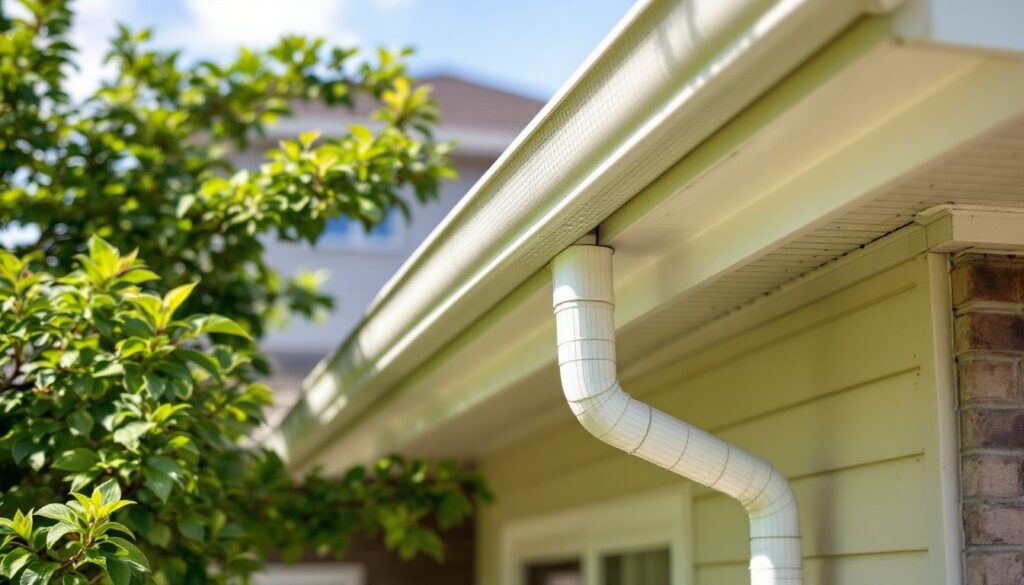
These are the most popular, and often the most affordable, options. A mesh guard is a stainless steel or aluminum screen that sits on top of your gutter, preventing large debris like leaves and twigs from entering while allowing water to flow through. Mesh guards are easy to install on existing gutters and come in rolls or pre-formed sections.
Micro-mesh guards are finer than standard mesh, blocking smaller particles and pine needles while maintaining excellent water flow. They cost more than basic mesh but handle debris in heavily wooded areas better. Screen guards are similar in principle but often box-shaped or tubular, fitting inside or over the gutter opening. All three types are visible from the ground, which some homeowners find less attractive, but they’re reliable, affordable, and work well in moderate climates.
When shopping for these, look for 16-gauge stainless steel or powder-coated aluminum for durability. If you’re planning to use a pressure washer to clean gutters, avoid mesh systems with very delicate screens, high-pressure water can damage them. Test water flow before committing: pour water from a hose and confirm it drains freely without pooling on the guard surface.
Foam, Brush, and Hooded Systems
Foam inserts (also called gutter socks) are popcorn-like foam blocks that fit inside your gutter. Water permeates the foam while debris sits on top, where it eventually dries and can be swept off. They’re cheap and require zero tools to install, but they’re also visible inside the gutter and degrade over time, especially in direct sun or freezing climates.
Brush guards resemble a large pipe brush and sit inside the gutter. Bristles allow water through but trap debris on top. They’re durable and don’t require fastening, making them renter-friendly, though you’ll still need to clear accumulated debris periodically.
Hooded or reverse-curve systems are the premium option. These guards attach to the gutter edge and curve downward, directing water into the gutter while debris slides off the outside. Hooded guards are nearly invisible from ground level and require virtually no maintenance on the guard itself, though installation usually involves removing the old gutter or at least the fascia board, making DIY installation more involved. They cost more upfront but offer the best long-term protection in heavy-debris environments.
DIY vs. Professional Installation: What You Need to Know
Installing a filter for gutters, whether mesh, foam, or a hooded system, ranges from a 30-minute weekend project to a multi-day undertaking, depending on the type and your home’s layout.
Mesh and screen guards are DIY-friendly. You’ll need a ladder, work gloves, a caulk gun (if you’re using silicone-based fasteners), and rivets or fastening hardware. Most snap or screw directly onto the existing gutter rim. Measure your gutter length carefully, cut sections to size with tin snips, and secure them according to the manufacturer’s instructions. Wear eye protection when cutting metal. The main pitfall: rushing the installation and creating gaps where debris sneaks in. Take your time, especially at corners and where sections overlap.
Foam and brush inserts are even simpler, cut to length, drop them in, and you’re done. No fasteners, no tools beyond a utility knife.
Hooded systems, by contrast, almost always require professional installation or significant carpentry skill. They’re attached to the fascia board, which may mean removing shingles, removing or lifting the gutter, and reinstalling everything with proper flashing and fasteners. If your fascia is already damaged, that’s another repair that needs professional-grade materials and know-how. Pressure washer to clean gutters can handle maintenance on simpler systems, but hooded guards rarely need that level of intervention anyway. Resources like HomeAdvisor can help you compare DIY costs against contractor quotes for your specific area and home type.
Honestly assess your comfort level on a ladder, your ability to measure and cut accurately, and whether you’re willing to redo work if it doesn’t seal properly. Many homeowners hire professionals for hooded systems and DIY simpler mesh guards on secondary gutters or garden areas to test the waters.
Key Factors to Consider When Choosing Gutter Guards
Your climate and landscape are the primary decision-makers. Homes in dry areas with minimal tree cover might get away with basic mesh. Heavily wooded properties or areas with pine needles and oak debris should lean toward micro-mesh or hooded systems. Wet climates with heavy rainfall demand guards that don’t restrict water flow: test-run your choice with a garden hose before permanently installing.
Budget also shapes your decision. Mesh and foam systems cost $500–$1,500 installed for a typical home (DIY reduces this by 50–75%). Hooded or professional reverse-curve systems run $2,000–$5,000 or more, depending on gutter length and fascia condition. Angi’s guide to gutter guards breaks down the cost-benefit analysis in detail and explores which systems offer the best ROI over 10 years.
Consider gutter dimensions too. Older homes sometimes have 4-inch gutters, which are narrower and fill faster than modern 5- or 6-inch gutters. Installing a guard on an undersized gutter won’t prevent overflow during heavy rain. If you’re upgrading, replace the gutter and add the guard simultaneously, it’s more efficient than trying to retrofit a guard on a gutter that’s too small.
Visual preference matters. If your home’s curb appeal is important and you dislike visible guards, a hooded system or micro-mesh that blends with the roof line is worth the premium. Conversely, if you’re on a tight budget or in a rental situation, foam inserts or basic mesh are practical short-term solutions. Materials like vinyl, aluminum, and stainless steel have different corrosion resistance: stainless is best for coastal areas or high-humidity climates. Finally, verify warranty coverage and whether the manufacturer stands behind the product if a guard fails or clogs prematurely.
Conclusion
Gutter protection isn’t a one-size-fits-all solution, but it’s one of the most cost-effective home investments you can make. Assess your climate, debris load, and budget, then choose a system, mesh, foam, brush, or hooded, that aligns with your priorities. DIY installation works well for simpler guards and puts money back in your pocket: professional installation ensures hooded systems are done right and come with manufacturer backing. Whichever path you take, your gutters will thank you, and so will your foundation. If you’re in a specific region managing unique gutter challenges, resources on gutter cleaning in Germantown, MD and other local guides can offer climate-specific maintenance tips to pair with your new guard system.