Table of Contents
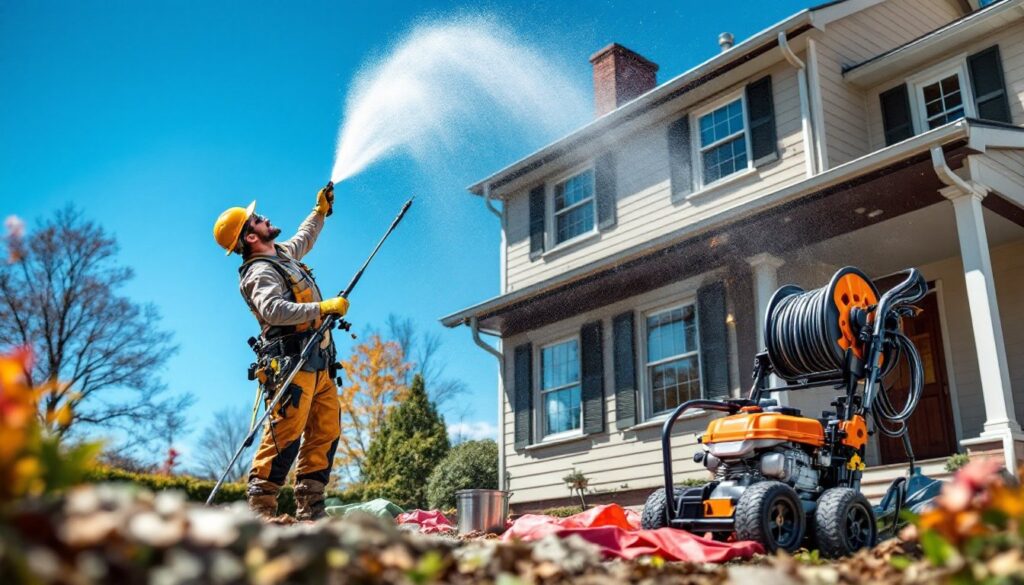
ToggleCleaning gutters doesn’t have to mean balancing on a ladder with a bucket and trowel for hours. A pressure washer gutter cleaner transforms this tedious chore into a faster, less physically demanding task that homeowners can tackle from the ground. Whether you’re dealing with compacted leaves, sludge, or seasonal debris buildup, high-pressure water combined with the right attachments can clear channels and rinse downspouts more effectively than traditional methods. This guide walks you through choosing the right equipment, applying it safely, and maintaining your gutters year-round to prevent costly water damage and foundation issues.
Key Takeaways
- A pressure washer gutter cleaner cuts gutter cleaning time from over an hour to just 15–20 minutes while eliminating dangerous ladder work and reducing fall risk.
- Optimal gutter cleaning requires 2,500–3,500 PSI with at least 2.0–2.5 GPM flow; never exceed 3,000 PSI on fragile gutters to prevent dents, leaks, or damage to roof shingles and fascia.
- Always verify that downspouts are clear before and after pressure washing to prevent water backup and overflow damage, a commonly overlooked step that causes costly water damage.
- Install gutter guards, trim overhanging branches 8–10 feet from the roofline, and combine manual removal with pressure washing every 2–3 years for year-round maintenance that extends gutter lifespan.
- Maintain a downward or horizontal spray angle to avoid forcing water into roof gaps and soffit vents, where it can pool in attics and insulation, causing hidden mold and rot.
Why Pressure Washers Beat Traditional Gutter Cleaning Methods
A pressure washer with a gutter attachment offers three major advantages over hand-scooping, garden hoses, or leaf blowers: speed, accessibility, and cleaning power.
Speed is the most obvious benefit. On a long gutter run or multi-story home, a pressure washer can clear debris and flush channels in a fraction of the time it takes to climb up and down a ladder repeatedly. Where scooping gutters by hand might take an hour or more, a pressure washer can finish the same job in 15 to 20 minutes, especially when combined with curved gutter attachments and extension wands.
Accessibility changes the equation entirely. Ground-level cleaning with a curved gutter cleaner attachment or an angled wand means you avoid many ladder trips, which also reduces fall risk, a significant safety concern for homeowners. Products like turbo gutter cleaners with adjustable jets allow you to angle the spray so water and debris travel down the channel toward the downspout, not back toward the house or foundation. This also means you can clean second-story gutters without relying on an unstable extension ladder against the gutter itself.
Cleaning power matters when gutters are heavily soiled. A garden hose alone struggles to dislodge compacted leaves, shingle grit, and wet sediment that accumulate over months. High-pressure water physically pushes this debris toward downspouts more effectively than low-pressure rinses, and it simultaneously flushes the channel clean. Many homeowners find they can also use the same pressure washer to clean the exterior gutter faces, fascias, and soffits in one integrated pass, saving additional time and setup.
Safety Considerations Before Using A Pressure Washer On Gutters
Pressure washers are powerful tools, and gutters are fragile. Before you pull the trigger, understand the risks.
PSI and water pressure matter most. Consumer guides and DIY forums consistently recommend staying below 3,000 PSI on gutters and being extremely cautious near roof shingles, which can lift or tear under excessive force. Aluminum gutters are especially prone to denting and deformation. Use a fan-tip nozzle (such as a 40-degree tip) or a purpose-built gutter attachment rather than a narrow or turbo nozzle, which concentrates force and can damage thin metal. If your pressure washer is rated above 4,000 PSI, dial it back. The trade-off in speed is worth avoiding leaks and repairs.
Ladder safety is critical. If you do need a ladder, position it on stable, level ground, never on soft grass or an uneven surface. Never lean a ladder directly against a gutter or fascia: place it to the side so you have a clear escape route. Gutter sections can pull away or collapse under lateral pressure, and a failed gutter won’t catch your fall. Most injuries happen when homeowners lose balance or the ladder shifts. Ground-level cleaning with extension wands eliminates this risk altogether.
Avoid directing water upward into roof gaps or soffit vents. Spraying under shingles or into ventilation openings forces water into your attic and insulation, creating mold and rot. Keep the spray angle downward or horizontal, never angled upward toward the roofline. This is a leading cause of interior water damage that goes unnoticed until it’s expensive to repair.
Electrical safety is often overlooked. If you’re using an electric pressure washer, keep the extension cord away from water and the spray. Never use an electric unit in wet conditions or where the cord can contact standing water. Gas models eliminate cord hazards but require careful handling of fuel and exhaust. Wear eye protection, heavy-duty gloves, and non-slip footwear: the recoil from the wand and debris splash can injure eyes and skin. Recent pressure washer guidance emphasizes eye protection and proper stance for recoil control.
Choosing The Right Pressure Washer And Attachments For Your Gutters
Not all pressure washers are equally suited to gutter cleaning. The right combination of PSI, GPM (gallons per minute), and attachments determines efficiency and safety.
PSI and flow (GPM) recommendations: For gutters, aim for 2,500 to 3,500 PSI on a machine with at least 2.0 to 2.5 GPM. PSI does the heavy lifting (breaking loose debris), while GPM determines how fast water flushes the channel. A high-PSI/low-GPM setup can damage gutters: a balanced machine cleans faster without risk. Many homeowners rent a mid-range gas pressure washer (around 3,000 PSI, 2.5 GPM) for occasional gutter cleaning rather than investing in one outright, especially if they’re unsure whether they’ll use it regularly.
Essential attachments:
- Curved gutter cleaner attachment: Built with a 1/4-inch quick-connect fitting and angled jets that push water and debris forward into the channel. Most are rated for 3,000 to 4,000 PSI. These are purpose-built tools that drastically improve control and reduce spray direction errors.
- Multi-jet gutter tool (e.g., Clog Hog Gutter Jet): Features six twisted jets designed for recoil-free control on extension poles. The rotating jets create a sweeping action that moves debris without fighting back against the operator.
- Extension wands and telepoles: Allow reach to second-story gutters from ground level. Look for adjustable-angle wands (0 to 90 degrees) so you can aim downward without repositioning.
- Fan-tip nozzles (40-degree): Softer than turbo nozzles but still effective. Switch to a 40-degree tip if your machine comes with a narrow 15-degree nozzle: the wider spray pattern is gentler on gutters and fascia.
Consider your home’s size and gutter length. A single-story ranch with modest gutter runs might not justify purchasing a pressure washer, but if you own a two-story colonial with heavy tree cover or plan to clean siding and driveway, the investment pays off across multiple projects.
Step-By-Step Guide To Cleaning Gutters With A Pressure Washer
Preparation determines success. Rushing through setup leads to blown-out gutters, water damage, and wasted time.
Before you start:
- Inspect gutters and fasteners for loose sections, damage, or rust. If a gutter is pulling away from the house or severely rusted, repair or replace that section before pressure washing: the force will worsen existing problems.
- Clear downspouts of visible debris. A clogged downspout prevents water from draining, which defeats the purpose of cleaning the channel.
- Protect landscaping, air conditioning units, and foundation plantings with tarps or heavy plastic sheeting. Debris and sediment spray farther than you’d expect, especially on windy days.
- Choose your pressure and nozzle. Start at 2,500 PSI with a 40-degree fan tip: increase only if debris isn’t moving.
Cleaning sequence:
- Start at the far end away from the primary downspout. This ensures debris moves toward the downspout rather than pooling at a dead end.
- Work the gutter channel with a curved attachment or angled wand, keeping the spray downward and forward. Make slow, overlapping passes so you don’t miss sections. Water should push leaves and sediment down the channel: if it’s backing up, the downspout is clogged (stop and clear it before continuing).
- Make multiple passes until the runoff appears clear and relatively sediment-free. This typically requires 2 to 3 passes on heavily soiled gutters and 1 pass on lightly soiled ones.
- Verify downspout flow. Disconnect the downspout extension or position a catch basin, then spray low-pressure water into the downspout opening to confirm it’s draining. If water backs up, use a plumbing snake, a shop vac, or a garden hose with a nozzle to clear the clog.
- Optional exterior rinse: Once the channel is clean, you can rinse the gutter exterior face and fascia with controlled pressure (around 2,000 PSI) and a wider fan tip to remove algae stains or discoloration. Ground-level gutter cleaning attachments allow this without shifting ladder position.
Take breaks if you’re working on a large home. Holding a pressurized wand overhead is tiring, and fatigue leads to loss of control or misdirected spray.
Common Mistakes To Avoid When Pressure Washing Gutters
Even with the right tools, common errors cause damage or leave gutters half-cleaned.
Using excessive PSI close to shingles or fascia: This is the #1 mistake. Homeowners crank the machine to maximum PSI, thinking more power means faster cleaning. Instead, it lifts shingles, dents aluminum, or punctures gutters. Test your pressure on the gutter channel away from the house, and reduce PSI if you hear a harsh metallic sound or see water spray bouncing off surfaces.
Spraying upward under roof edges or into soffit vents: Water forced into these gaps doesn’t drain out: it pools in your attic or insulation, promoting mold and rot. Maintain a downward or horizontal spray angle at all times. If you must clean soffit faces, use a much lower PSI (1,500 to 2,000) and a wide fan tip.
Standing directly beneath gutter discharge: Debris and water fall with significant force. Always position yourself to the side so falling material doesn’t hit you. On windy days, move farther back to avoid being splashed with sediment.
Failing to secure extension wands or curved adapters: Loose joints vibrate, reduce control, and can disconnect mid-spray. Many DIYers tape hose connections or use hose clamps to hold angles in place, especially on angled wands. Spend an extra minute ensuring everything is tight before pressurizing the line.
Not verifying that downspouts are clear: You can clean the entire gutter perfectly, but if the downspout is blocked, water backs up and overflows. This is the single most-overlooked step. Always test downspout flow before and after gutter cleaning. Guides on gutter maintenance stress downspout verification as essential to preventing overflow damage.
Keep Your Gutters Clean Year-Round With Regular Maintenance
Pressure washing is a great heavy-cleaning tool, but it shouldn’t be your only maintenance strategy. A mixed approach keeps gutters flowing and extends their lifespan.
Inspection frequency: Check gutters at least twice per year, once in late spring and again in fall before heavy leaf drop. If your home is surrounded by trees, inspect quarterly or after major storms. Look for sagging sections, visible sediment, or water stains on fascia (a sign of overflow or hidden clogs).
Preventive measures:
- Install gutter guards or screens appropriate for your debris type. Micro-mesh guards work well in areas with heavy leaf drop: perforated-metal guards suit moderate debris: foam inserts fit K-style gutters. No guard is completely maintenance-free, but good ones reduce manual cleaning frequency by 50 to 75 percent.
- Trim tree branches overhanging your roof. This is often the single most effective preventive measure. Fewer leaves and twigs fall into gutters when branches are cleared back 8 to 10 feet from the roofline.
- Clean gutters before winter. Standing debris and water can freeze, creating ice dams that back water under shingles. Don’t let fall leaf drop linger into November in cold climates.
Cleaning cadence: Most homeowners benefit from a combination of manual removal (scoops, buckets, blowers) in spring and fall, paired with a pressure wash once every 2 to 3 years or when gutters show heavy buildup. If you live in a wet climate or have extensive tree cover, pressure wash annually. Understanding gutter cleaning costs helps you decide whether DIY or professional service makes more financial sense for your situation.
A gutter cleaning service or rain gutter cleaning service can handle the heavy work if you’re uncomfortable on ladders or using a pressure washer. The key is consistency, neglected gutters quickly become expensive repairs.