Table of Contents
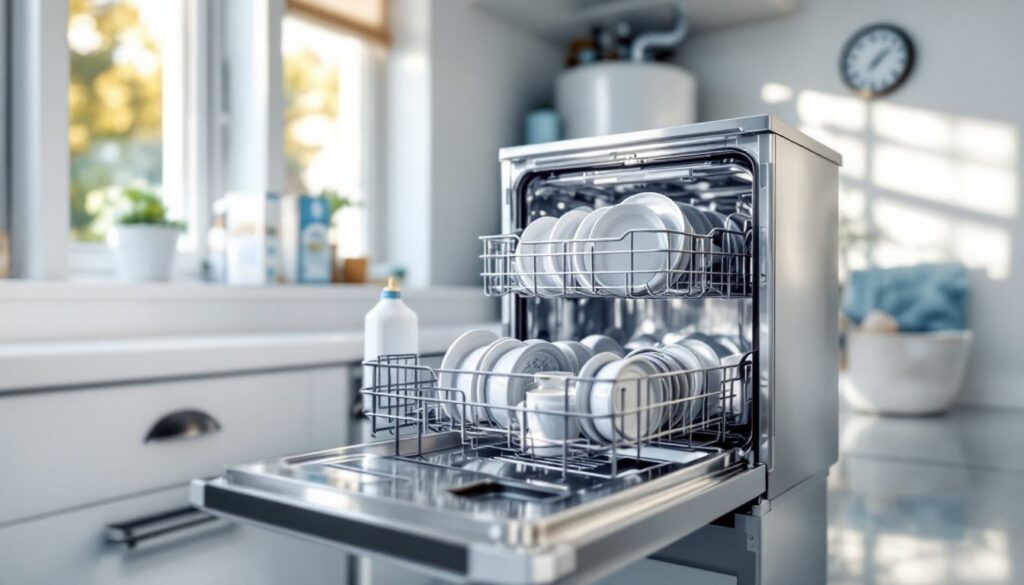
ToggleStanding water in your dishwasher is more than just a nuisance, it’s a sign that something’s blocking the drainage system. When dishwasher water is not draining properly, dishes sit in murky pools instead of getting clean, and the smell starts creeping into your kitchen within hours. The good news: in most cases, a dishwasher not cleaning dishes due to drainage issues stems from simple, fixable problems you can tackle yourself without calling a plumber. Food debris, kinked hoses, and blocked filters account for the vast majority of drainage failures. This guide walks you through diagnosing the problem, clearing the blockage safely, and getting your dishwasher back to work.
Key Takeaways
- When dishwasher water is not draining properly, the culprit is usually a clogged filter, kinked hose, or missing drain knockout plug—all fixable without a plumber.
- Remove standing water safely by disconnecting power first, then use a cup or shop vacuum to drain 2–3 gallons before inspecting drain components.
- Clean the drain filter by removing the bottom rack, rinsing the cylindrical filter under warm soapy water, and scrubbing the mesh with a soft brush to restore normal drainage.
- Inspect the drain hose for kinks and ensure it loops upward (high loop) above the sink drain level to prevent backflow and improve water flow.
- Call a professional plumber if the drain pump makes no sound, water persists after cleaning, you see backflow into the sink, or visible leaks appear under the dishwasher.
Common Causes of Poor Dishwasher Drainage
Before you grab a wrench, understanding what’s actually blocking your dishwasher drainage saves time and frustration. Most drainage failures boil down to a handful of culprits, and knowing which one you’re dealing with helps you fix it faster.
Food Debris and Clogs in the Drain Filter
The drain filter sits at the bottom of your dishwasher tub, usually near the center or toward one side. It catches food particles, broken glass, labels peeled off dishes, and grease, basically all the stuff that shouldn’t end up in your plumbing. Over time, this debris piles up and either slows drainage to a crawl or stops it completely. A dishwasher is not cleaning effectively when water can’t drain away, so standing water means the filter’s likely the culprit. The fix is almost always straightforward: remove the filter, rinse out the gunk, and reinstall it. Most homeowners see normal draining return immediately after cleaning a clogged filter.
Kinked or Blocked Drain Hose
The rubber drain hose runs from your dishwasher to either the sink drain or garbage disposal, and it’s a common weak point. A kink, a crushed section from being pressed against a cabinet, or internal buildup (mineral deposits or grease) reduces water flow significantly. New installations sometimes fail to drain because the installer never removed the “knockout plug” from the disposal, a plastic insert that blocks the drain opening. If your hose was recently routed or the dishwasher is new, check this first. Even a slight bend in the hose can restrict drainage enough to cause pooling. Many dishwashers require the drain hose to loop upward (called a high loop) to prevent backflow, so improper routing is another common installation mistake that leads to poor drainage.
How to Clear Your Dishwasher Drain Safely
Before you start digging into your dishwasher, take a few precautions to protect yourself and your floor.
Step 1: Disconnect power. Flip the breaker or unplug the dishwasher from the outlet under the sink. This prevents accidental water spray or electrical hazard if you accidentally trigger a cycle while the door is open.
Step 2: Protect your floor. Lay down towels or newspaper around and under the dishwasher. A fully standing water situation can drain 2–3 gallons onto your kitchen floor in seconds.
Step 3: Remove standing water. Use a cup to scoop out as much water as possible, then use towels to soak up the rest. A wet/dry shop vacuum works well for large amounts of water, but avoid regular vacuums, water ruins them. Once you’ve removed the bulk of standing water, you’re ready to inspect and clean the drain components.
Safety note: Avoid using wire or sharp tools inside the plastic dishwasher tub. Puncturing or cracking the interior means expensive repairs. Soft brushes, old toothbrushes, and cloths are your best tools here.
Checking and Cleaning the Filter System
The filter is your first line of defense against clogs. Most drain issues start here, and cleaning it is the easiest fix.
What you’ll need:
- Soft brush (old toothbrush works fine)
- Warm or hot water
- Dish soap
- Towels
Steps:
-
Remove the bottom rack. This gives you clear access to the filter area at the bottom of the tub.
-
Locate and remove the filter. The filter is usually a cylindrical piece (plastic or stainless steel mesh) at the very bottom center. Some twist counterclockwise: others unscrew like a jar lid. Consult your manual if you’re unsure, forcing it can crack plastic tabs.
-
Rinse thoroughly under warm water. Hold it under the sink and use a soft brush to scrub away food particles, grease, and debris. Pay special attention to the mesh or perforations where gunk accumulates. Soapy water helps cut through grease buildup.
-
Check the sump area beneath the filter. The sump is the small chamber directly under the filter. Use a damp cloth to wipe out any loose debris, hair, or fragments that fell past the filter.
-
Reinstall securely. Push or twist the filter back into place firmly. Make sure it seats properly so water can flow around and through it correctly.
If the filter is cracked, warped, or the mesh has holes, replace it. A damaged filter defeats the whole purpose and often costs $15–$40, a cheap fix compared to professional drainage service.
Inspecting Your Drain Hose and Connections
If cleaning the filter didn’t solve the problem, the hose is the next suspect. A blocked or kinked drain hose is the second most common cause of standing water in dishwashers.
What you’ll need:
- Flashlight
- Soft brush or bottle brush
- Bucket or towels
- Pliers (optional)
Hose routing check:
First, look at how the drain hose runs from your dishwasher to the sink or disposal. Trace it visually for kinks, crushed sections, or tight bends. Many installation mistakes involve running the hose straight down without a high loop, which allows dirty water from the sink to siphon back into the dishwasher. Reposition the hose so it rises above the level of the sink drain before dropping down, this simple fix prevents backflow and improves drainage significantly.
Disconnect and test:
Locate where the hose connects to the sink drain or garbage disposal (usually under the sink behind the cabinet door). Loosen the clamp and carefully disconnect the hose. Place a bucket underneath to catch water. Run hot water from the sink faucet directly into the hose opening, if water flows freely, the hose is clear. If it trickles or backs up, you’ve found a clog. Clear it by feeding a bottle brush through the hose or running hot water mixed with baking soda and vinegar. Many professional drain cleaning guides recommend flushing with hot water after brushing to rinse debris completely.
Check connections:
Before reconnecting, ensure the clamp is tight (not over-tight, you don’t want to crush the hose) and there are no leaks. If the disposal is new or was recently serviced, verify the knockout plug was removed from the drain opening. That plastic cap is easy to miss and completely blocks drainage. Reconnect the hose firmly and test a short cycle to confirm water drains.
When to Call a Professional Plumber
Sometimes the fix isn’t a DIY job, and knowing when to stop troubleshooting saves time and money. Call a professional plumber or appliance technician if any of these apply:
Electrical or mechanical failures: If the drain pump makes no sound, grinds loudly, or you smell burning plastic or hear sparking, stop using the dishwasher immediately. These indicate a faulty motor or pump that requires professional replacement.
Persistent drainage after filter and hose cleaning: You’ve cleared the filter, checked the hose for kinks and blockages, and confirmed the disposal knockout plug is removed, but water still pools. This points to internal pump failure, a stuck drain valve, or a check valve issue that requires opening the appliance.
Backflow into sink or multiple slow drains: If water backs up into your kitchen sink when the dishwasher runs, or if multiple drains in your home are slow, the problem isn’t the dishwasher, it’s your home’s main drain line. A licensed plumber needs a drain camera or snake to clear the line. Professional drain cleaning services have tools and expertise for this scope of work.
Visible leaks or water pooling under the dishwasher: Standing water under or around the appliance suggests a cracked hose, internal leak, or failed seal. These require part replacement or professional service to prevent water damage to your flooring and substructure.
Cost vs. DIY: Dishwasher repair technicians typically charge $100–$300 for service calls plus parts. If your dishwasher is over 10 years old and the repair exceeds half the cost of a new unit, replacement may be more economical. Budget-friendly new dishwashers start around $400, while premium models run $1,000+. For newer appliances under warranty, professional service protects your coverage.
When in doubt, consult your dishwasher’s manual or contact the manufacturer. Many brands offer phone support to help diagnose issues before you commit to a service call.