Table of Contents
ToggleCleaning trends 2026 will reshape how people maintain their homes and workspaces. The industry is shifting toward smarter, greener, and healthier solutions. Consumers now demand products and methods that protect both their families and the planet. Technology continues to automate routine tasks, while minimalist lifestyles reduce clutter and simplify upkeep. This article explores the key cleaning trends 2026 will bring, from eco-friendly practices to air quality improvements. Whether someone manages a household or runs a commercial space, these insights offer a clear view of what’s coming next.
Key Takeaways
- Cleaning trends 2026 prioritize sustainability, with refillable systems and plant-based formulas cutting plastic waste by up to 80%.
- Smart cleaning technology like AI-powered robot vacuums and UV-C sanitizers automate routine tasks while enhancing home hygiene.
- Minimalist lifestyles and decluttering systems reduce cleaning time significantly by keeping surfaces clear and possessions manageable.
- Indoor air quality takes center stage, with HEPA filtration and low-VOC products protecting respiratory health.
- Ingredient transparency and certifications like EPA Safer Choice have become essential for informed consumers choosing cleaning products.
- Both households and commercial spaces are adopting green cleaning programs that balance effectiveness with environmental responsibility.
Eco-Friendly and Sustainable Cleaning Practices
Sustainability sits at the center of cleaning trends 2026. Consumers are choosing plant-based formulas over harsh chemicals. They want products that break down safely in waterways and don’t harm wildlife.
Refillable cleaning systems are gaining traction. Brands now sell concentrated pods or tablets that dissolve in reusable bottles. This approach cuts plastic waste by up to 80% compared to single-use containers. Major retailers have expanded their refill station programs, making sustainable options more accessible than ever.
Ingredient transparency matters more in 2026. Shoppers read labels carefully. They look for certifications like EPA Safer Choice and USDA BioPreferred. Products with vague terms like “natural” no longer satisfy informed buyers. They want specific ingredient lists and proof of environmental claims.
DIY cleaning solutions continue to grow in popularity. Vinegar, baking soda, and castile soap remain household staples. Online communities share recipes for everything from glass cleaners to laundry detergent. This trend saves money while reducing packaging waste.
Corporate cleaning services follow the same path. Office buildings and hotels prioritize green cleaning programs. They use microfiber cloths that require less water and chemical solution. Many facilities have switched to steam cleaning, which sanitizes surfaces without synthetic agents.
The cleaning trends 2026 brings reflect a broader cultural shift. People understand their purchasing decisions affect ecosystems. They choose brands that align with their values. Sustainable cleaning has moved from niche interest to mainstream expectation.
Smart Cleaning Technology and Automation
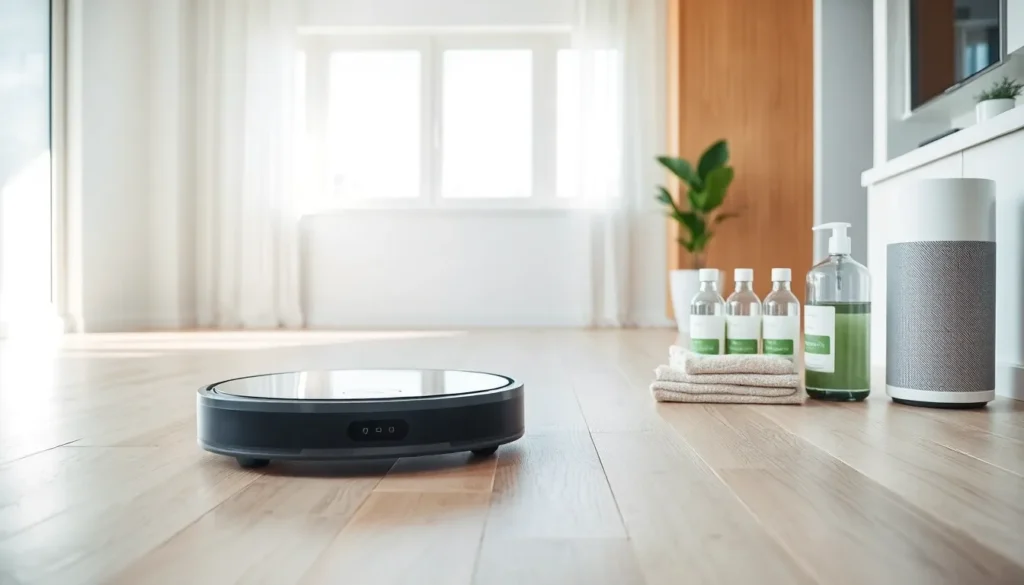
Automation defines the next wave of cleaning trends 2026 introduces. Robot vacuums have become standard in many homes. The latest models map rooms with precision, avoid obstacles, and empty their own dustbins. Some even mop floors after vacuuming.
AI-powered devices learn household patterns. They clean high-traffic areas more frequently. They adjust suction power based on floor type. Voice commands through smart assistants make operation effortless. Someone can start a cleaning cycle without lifting a finger.
Smart sensors detect dirt levels in real time. These sensors appear in vacuums, air purifiers, and even trash cans. They alert users when bins need emptying or filters need replacing. This data-driven approach prevents problems before they start.
Commercial spaces benefit from cleaning robots too. Airports, shopping malls, and hospitals deploy autonomous floor scrubbers. These machines work overnight, reducing labor costs and ensuring consistent results. They collect performance data that managers use to optimize schedules.
App integration ties everything together. Users monitor cleaning devices from their phones. They receive notifications, adjust settings, and review cleaning reports remotely. Some apps track product inventory and reorder supplies automatically.
UV-C sanitizing devices have expanded beyond healthcare settings. Portable wands and stationary units kill bacteria on phones, keyboards, and doorknobs. While not a replacement for traditional cleaning, UV-C technology adds an extra layer of protection.
The cleaning trends 2026 presents show technology enhancing human effort rather than replacing it entirely. Smart tools handle repetitive tasks. People focus on detailed cleaning that requires judgment and care.
Minimalist and Decluttering-Focused Approaches
Less stuff means less cleaning. This simple truth drives one of the strongest cleaning trends 2026 has embraced. Minimalist lifestyles continue to influence how people organize their spaces.
The decluttering movement has matured beyond viral social media challenges. People now adopt ongoing systems rather than one-time purges. Methods like the “one in, one out” rule prevent accumulation. Regular donation habits keep belongings manageable.
Fewer possessions reduce cleaning time significantly. Surfaces stay clear. Dusting takes minutes instead of hours. Closets and cabinets open easily without items tumbling out. Mental clarity often accompanies physical order.
Storage solutions have evolved to support minimalism. Furniture with hidden compartments maximizes small spaces. Vertical storage systems use wall space effectively. The goal isn’t to hide clutter but to own only what serves a purpose.
Digital decluttering connects to physical space management. People delete unused apps, organize digital files, and unsubscribe from marketing emails. A clear digital environment complements a tidy home. The mental load decreases when both spaces feel organized.
Professional organizers report increased demand. Clients want sustainable systems, not quick fixes. These experts teach principles that last. They help families identify what they truly need versus what they’ve accumulated out of habit.
Cleaning trends 2026 reflects also show capsule cleaning kits gaining popularity. Instead of dozens of specialized products, people keep a few versatile cleaners. A good all-purpose spray, microfiber cloths, and a quality vacuum handle most tasks. This approach saves money and storage space.
Health-Conscious Cleaning for Indoor Air Quality
Indoor air quality has become a priority in cleaning trends 2026 highlights. People spend roughly 90% of their time indoors. The air they breathe affects their health, mood, and cognitive function.
HEPA filtration appears in more household devices. Vacuum cleaners with true HEPA filters trap 99.97% of particles as small as 0.3 microns. This captures dust mites, pollen, pet dander, and many bacteria. Standard vacuums often recirculate these irritants back into the air.
Air purifiers have become common in bedrooms and living areas. Newer models combine HEPA filtration with activated carbon to remove odors and volatile organic compounds (VOCs). Some units connect to air quality monitoring apps that display real-time data.
Low-VOC cleaning products address another concern. Traditional cleaners release chemicals that linger in indoor air. These compounds can trigger headaches, respiratory issues, and allergic reactions. Manufacturers now formulate products that clean effectively without harmful off-gassing.
Humidity control plays a role in healthy cleaning too. Proper moisture levels prevent mold growth and reduce dust mite populations. Smart humidifiers and dehumidifiers maintain optimal ranges automatically. They adjust based on weather conditions and indoor activity.
Allergy-friendly cleaning schedules have gained attention. Experts recommend washing bedding weekly in hot water. They suggest vacuuming upholstered furniture regularly. Hard floors collect less allergens than carpet, influencing flooring choices in new homes.
Ventilation matters during and after cleaning. Opening windows while scrubbing bathrooms or using strong cleaners removes fumes quickly. Even energy-efficient homes benefit from occasional fresh air exchange.
The cleaning trends 2026 shows extend to workplace wellness. Employers invest in better filtration systems and green cleaning services. They recognize that air quality affects productivity and employee health. Clean air has become a workplace benefit alongside traditional perks.